The Engadin in figures
- Warmest month
- July: mean 12.3 °C, 19 °C during the day
- Coldest month
- January: mean −8.4 °C
- Sunniest month
- July, 199 hours of sunshine
- Driest month
- February, 19 mm of precipitation
- Ski season
- Usually mid-December to early April, high-altitude areas longer
Twelve months, twelve faces
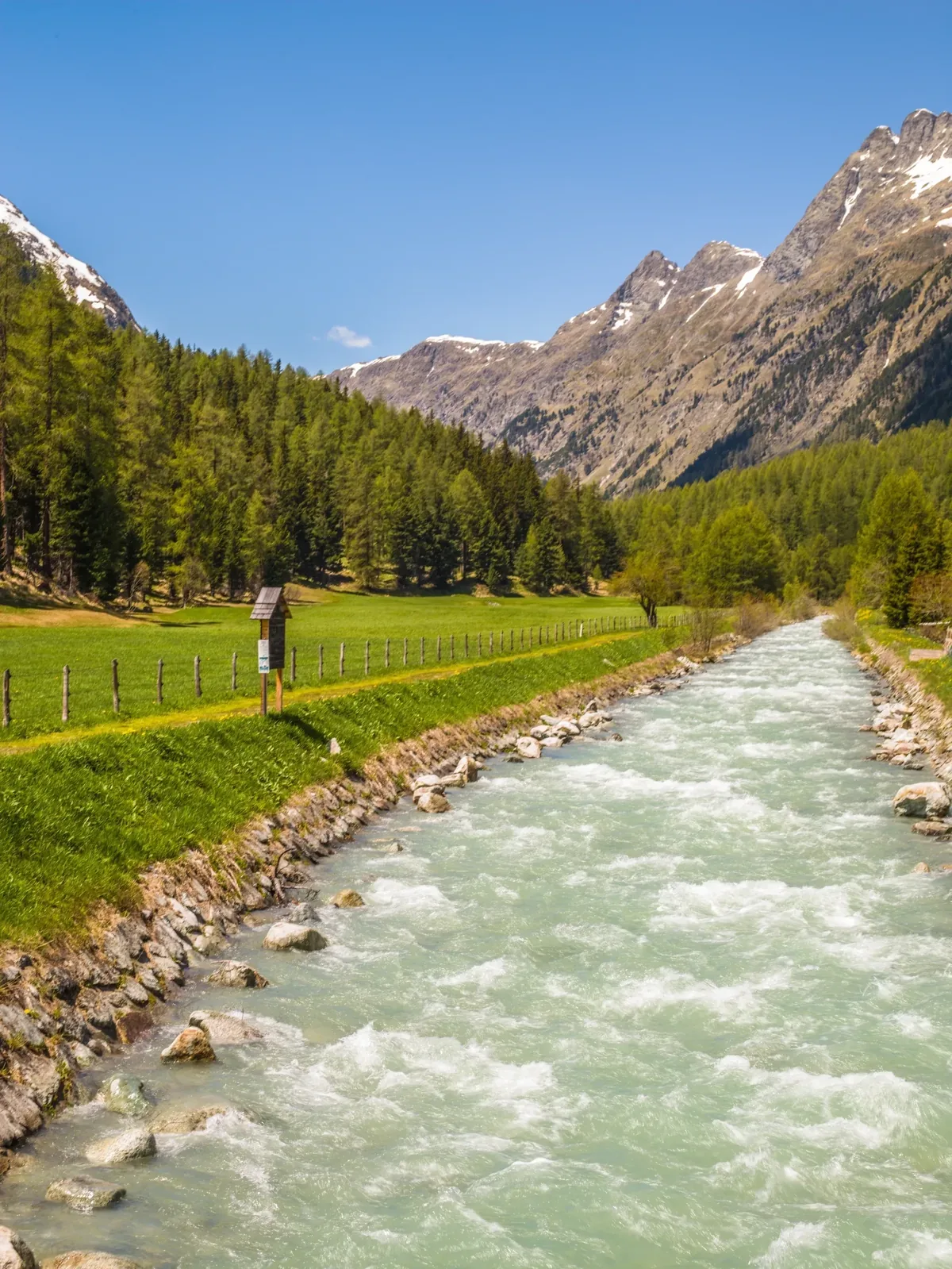
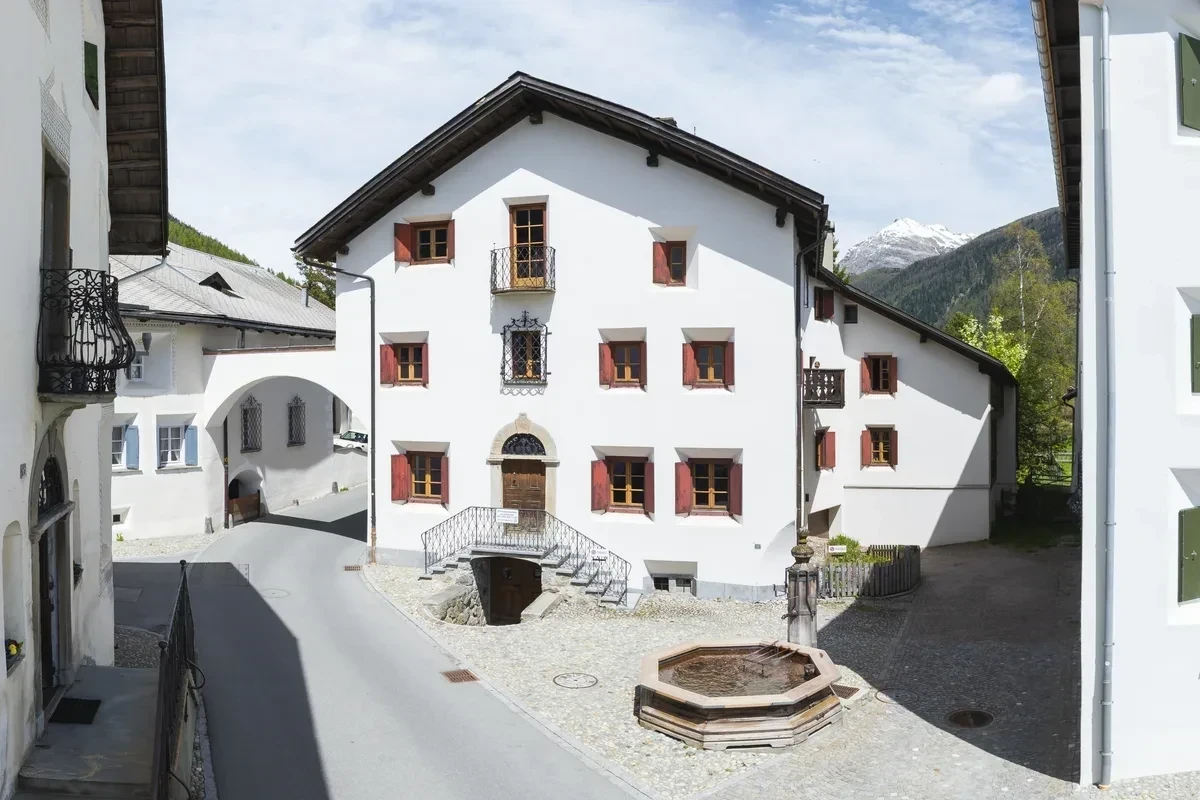
Bever lies at 1708 m, in one of the highest inhabited valleys in Europe. That makes the climate extreme – and that is exactly why it is so beautiful: dry, sunny winters with low temperatures, short, fresh summers and, in between, two quiet off-seasons. If you know what to expect when, you’ll find the right month for almost any wish.
The events below are examples from the region’s events calendar. Not every one takes place every year, and the dates change – you will find the latest information in the events calendar from Engadin Tourism and the operating times of the mountain railways in the mountain railway reports.
The climate at a glance
Standard values 1991–2020 for the Samedan station, one train stop from Bever; fresh snow mean 1981–2010.
| Month | Mean | Day / night | Precipitation | Sun | Fresh snow |
|---|---|---|---|---|---|
| January | −8.4 °C | −1.3 / −15.8 °C | 29 mm | 120 h | 52 cm |
| February | −7.1 °C | 0.5 / −15.6 °C | 19 mm | 121 h | 39 cm |
| March | −2.4 °C | 4.0 / −9.6 °C | 24 mm | 147 h | 33 cm |
| April | 1.9 °C | 7.9 / −4.3 °C | 37 mm | 150 h | 24 cm |
| May | 6.7 °C | 12.9 / 0.1 °C | 67 mm | 164 h | 6 cm |
| June | 10.5 °C | 17.0 / 3.2 °C | 91 mm | 186 h | 1 cm |
| July | 12.3 °C | 19.3 / 4.7 °C | 87 mm | 199 h | – |
| August | 11.8 °C | 18.8 / 4.7 °C | 100 mm | 181 h | – |
| September | 7.9 °C | 14.6 / 1.3 °C | 73 mm | 155 h | 1 cm |
| October | 3.6 °C | 10.5 / −2.6 °C | 77 mm | 138 h | 8 cm |
| November | −2.1 °C | 4.1 / −7.8 °C | 70 mm | 103 h | 41 cm |
| December | −7.0 °C | −0.7 / −13.4 °C | 37 mm | 102 h | 50 cm |
Striking: winter is considerably drier than summer. In February it rains or snows on average on only just over four days, in June and August on eleven. And even in July it can cool to below 5 °C at night – a jacket always belongs in your luggage.
January: cold, sun, black ice
The coldest month – and one of the most beautiful. After 6 January the slopes empty, the days grow longer, and from mid-January the lakes are usually frozen over completely. When a lake freezes without snow, black ice forms, through which you can see right down to the bottom.
Events: New Year apéros on 1 January in several villages, Schlitteda (a traditional procession of decorated horse-drawn sleighs) in Champfèr and Silvaplana–St. Moritz, the Snow Polo World Cup in St. Moritz and the Engadin Art Talks in Zuoz; plus, depending on the year, World Cup races in cross-country and para skiing.
February: White Turf and high season
The driest month brings plenty of sun and stable conditions – and the sports holidays of the Swiss cantons and many neighbouring countries. It is the busiest time of the winter.
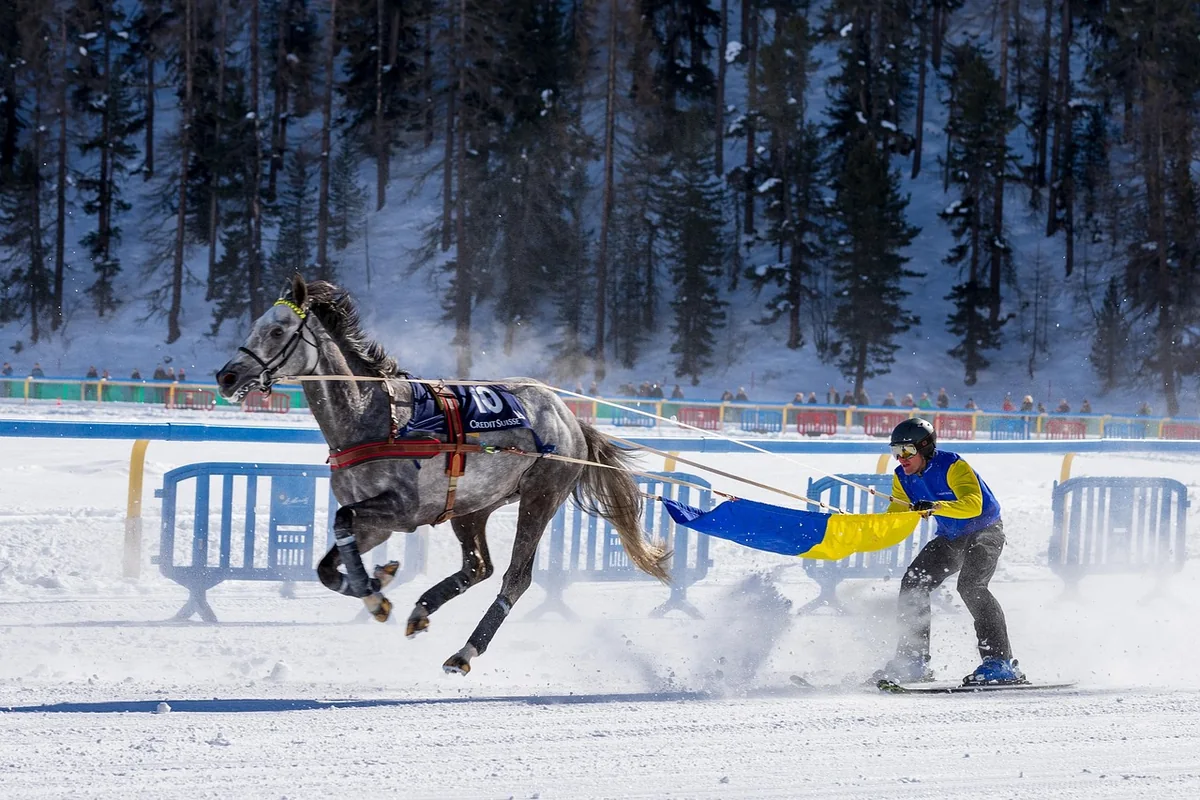
Events: White Turf with horse races on the frozen Lake St. Moritz on three Sundays in February, with races on the Saturdays before as well; Hom Strom (the burning of a straw figure to drive out winter) in Scuol, traditionally on the first Saturday in February; plus the Curling Gold Cup.
March: ski marathon and Chalandamarz
The days are long, the sun is warm, the snow is still deep. For many, the best month for skiing.
Events: Chalandamarz on 1 March – children parade through Bever, Samedan, Celerina, La Punt and Sils with bells to drive out the winter. Engadin Marathon Week, with the women’s race and the Sils–Pontresina night race, culminates in the Engadin Skimarathon on the second Sunday in March. Depending on the year, Easter falls in March or April.
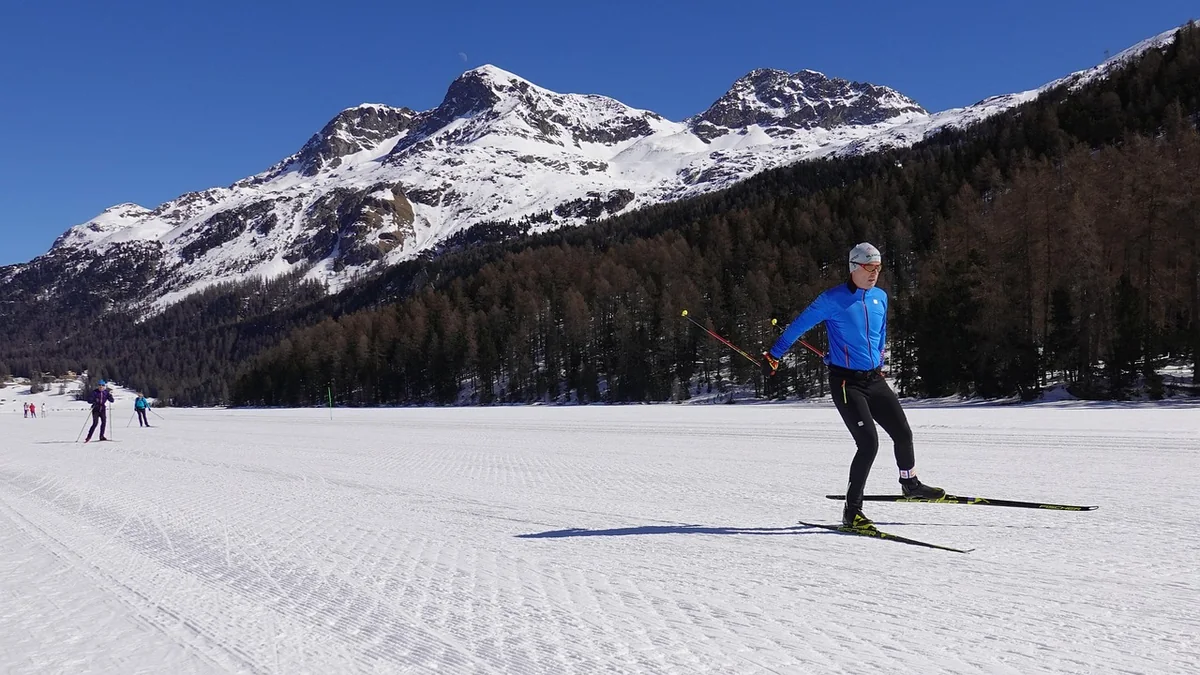
April: spring skiing
Corn snow in the morning, sun terraces in the afternoon. The ski areas close in stages: most around Easter or in early April, the high-altitude ones such as Corvatsch and Diavolezza generally much later. In the second half of April the marmots wake from hibernation. Events: the SunIce Festival in St. Moritz at the end of the season.
May: the quietest time
In the valley the snow is melting; higher up it is still lying. Many hotels and restaurants take a break, as do most of the mountain railways. If you’re looking for peace and want to walk in the valley, now is the time. Depending on the year, Ascension Day and Whitsun fall in May or June. In spring, rare birds breed in the Inn floodplains near Bever – from mid-April to July please stay on the paths there and keep dogs on a lead. More in the post Off-season in the Engadin.
June: alpine flowers and the first lifts
The meadows are in bloom, and there is still snow on the passes. The summer lifts open one after another over the course of June, Muottas Muragl, depending on Whitsun, usually among the first. Depending on the snow, the Albula Pass opens between late May and mid-June.
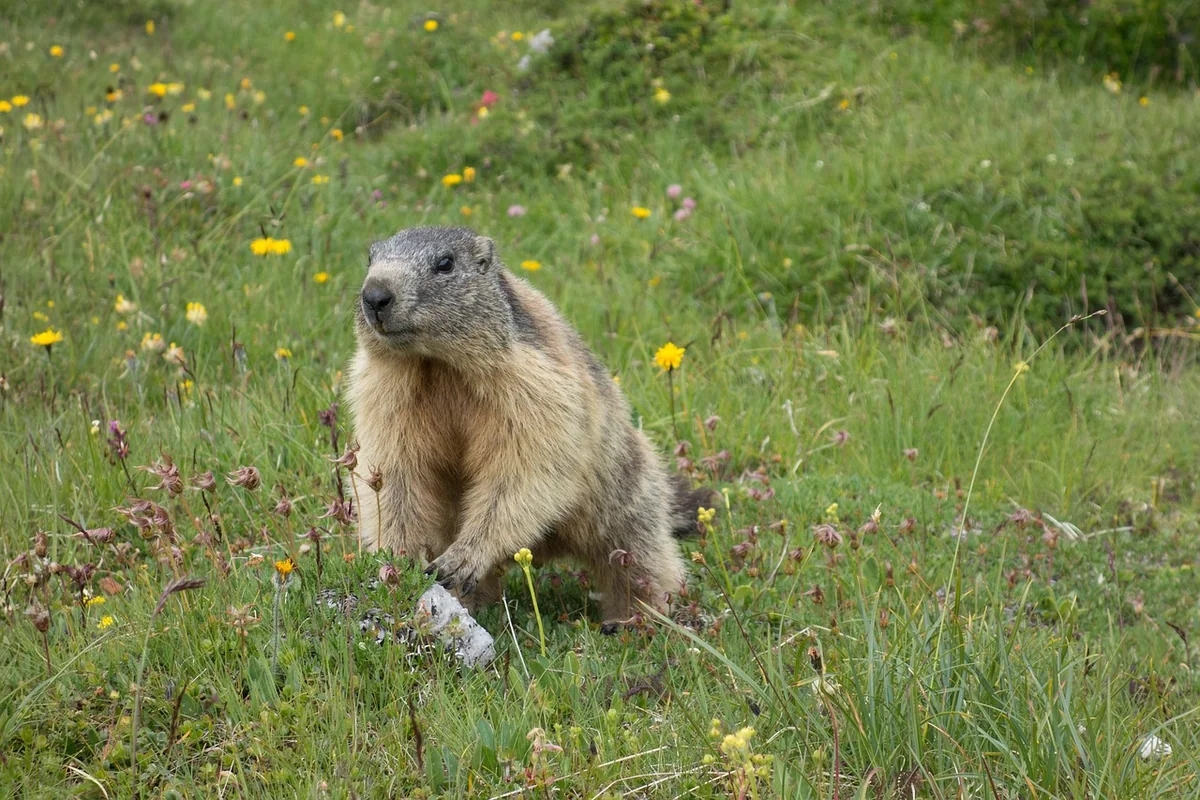
July: high summer at 1700 metres
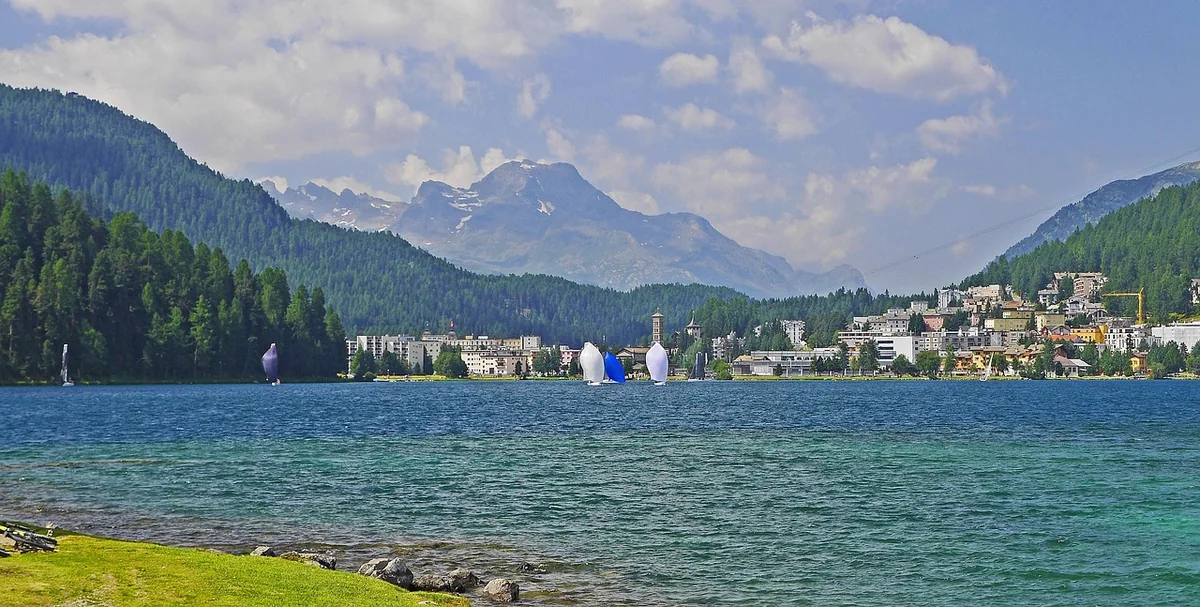
The warmest and sunniest month, with daytime temperatures around 19 °C. Lake Staz warms up to as much as 20 °C, while Lake Sils stays cool. From mid-July the summer holidays begin in large parts of Switzerland and Germany – the valley gets lively.
Events: trail races such as Bernina Ultraks and Engadin Ultra Trail, plus the Festival da Jazz in St. Moritz, which has taken place in July in recent years.
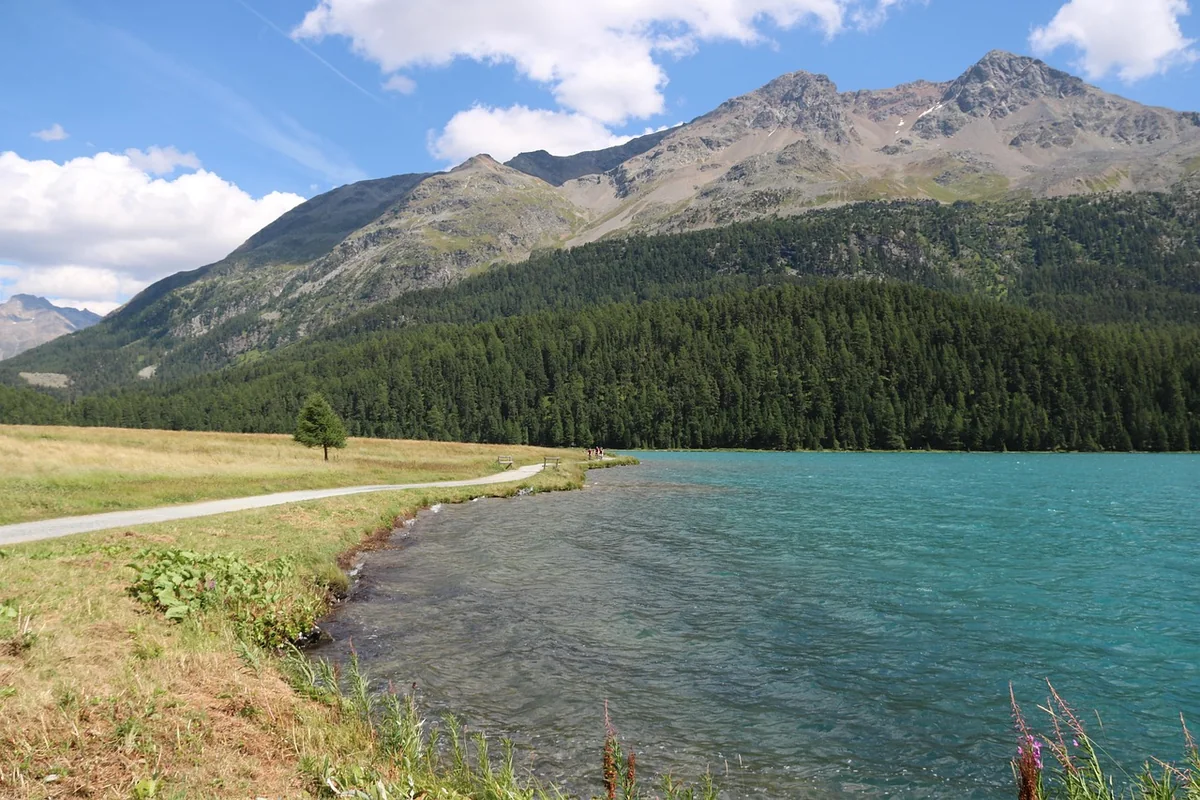
August: festivals and gourmet
The wettest month, often with afternoon thunderstorms – it pays to set off early. Around 15 August (Ferragosto) many guests come from Italy.
Events: Engadin Festival concerts, the Concours Hippique Zuoz, the St. Moritz Running Festival with the Engadin Summer Run, and the St. Moritz Gourmet Festival – it has recently moved to the summer and no longer takes place in January.
September: clear air, empty paths
The holidays are over, the air is clear, the hiking trails are empty – for many, the best month for hiking. In the National Park the red deer rut begins (early September to mid-October), best heard in Val Trupchun. In Bregaglia the chestnut festival starts at the end of September.
October: golden larches
The larches usually start to turn from early October, and the peak often comes in the second half of the month. The summer lifts usually close in the second half of October, but Diavolezza often starts early winter operations as early as autumn. More in the post The golden larch autumn in the Engadin.
Events: Stubete am See in Sils, steam train rides over the Albula line, guided photo walks to the golden larches and the chestnut festival in Bregaglia.
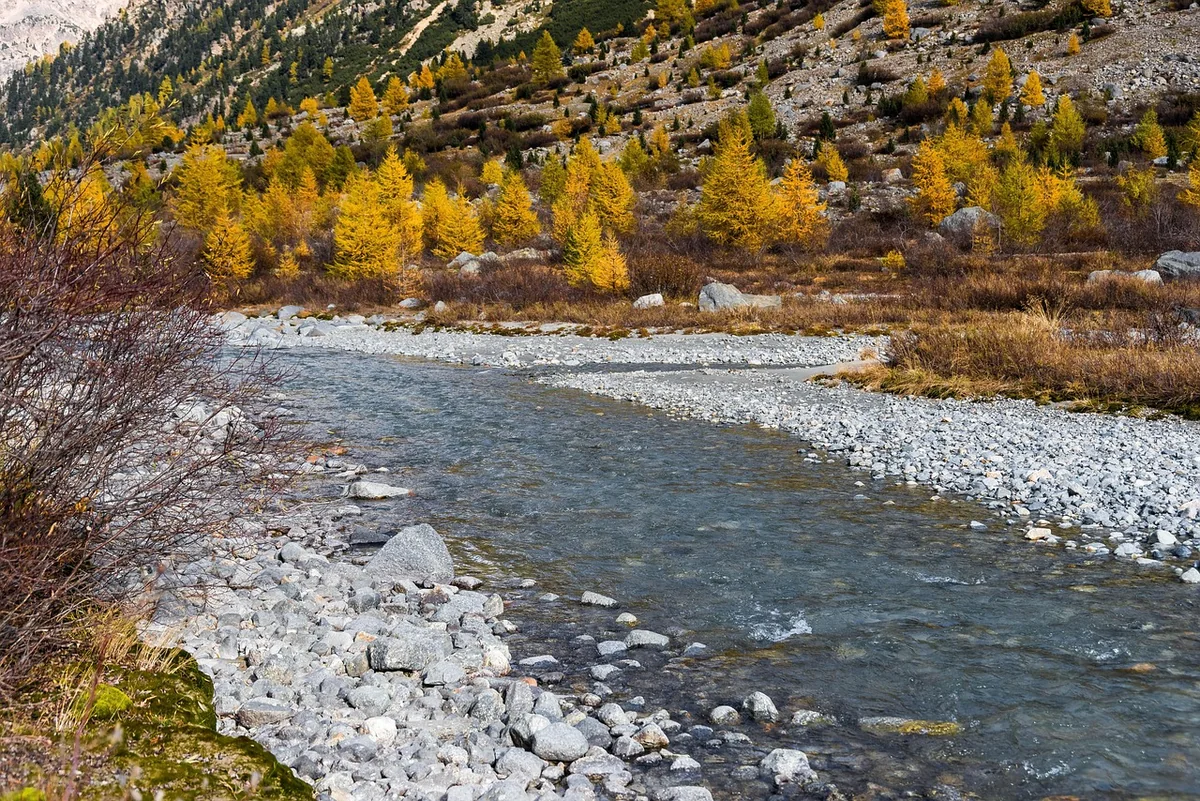
November: calm before the winter
The first snow settles, the villages fall silent. Around mid-November hardly any major mountain railway usually runs – towards the end of the month Corvatsch and Corviglia then start the winter. Thanks to snow farming, the first cross-country tracks are often available early in the month. At the end of November the first Christmas markets begin.
December: Advent and World Cup
Short days, lots of snow, Advent windows in Bever from 1 December. Christmas markets in St. Moritz, Celerina, Samedan, Zuoz and Sils. The Ski World Cup often comes to St. Moritz in December. By shortly before Christmas all the major ski areas are open; between Christmas and New Year the valley is full.
The best time to visit – depending on what you want
| You’d like to … | Best time |
|---|---|
| ski with sunshine and few crowds | mid-January, second half of March |
| go cross-country skiing | January to March; ski marathon on the second Sunday in March |
| go winter walking and sledging | January to March |
| see flowers and do your first hikes | late June |
| swim in mountain lakes | July and August |
| hike without crowds | September |
| photograph golden larches | mid to late October |
| enjoy absolute peace | May and November |
The post The Engadin in summer or winter compares the two main seasons directly.
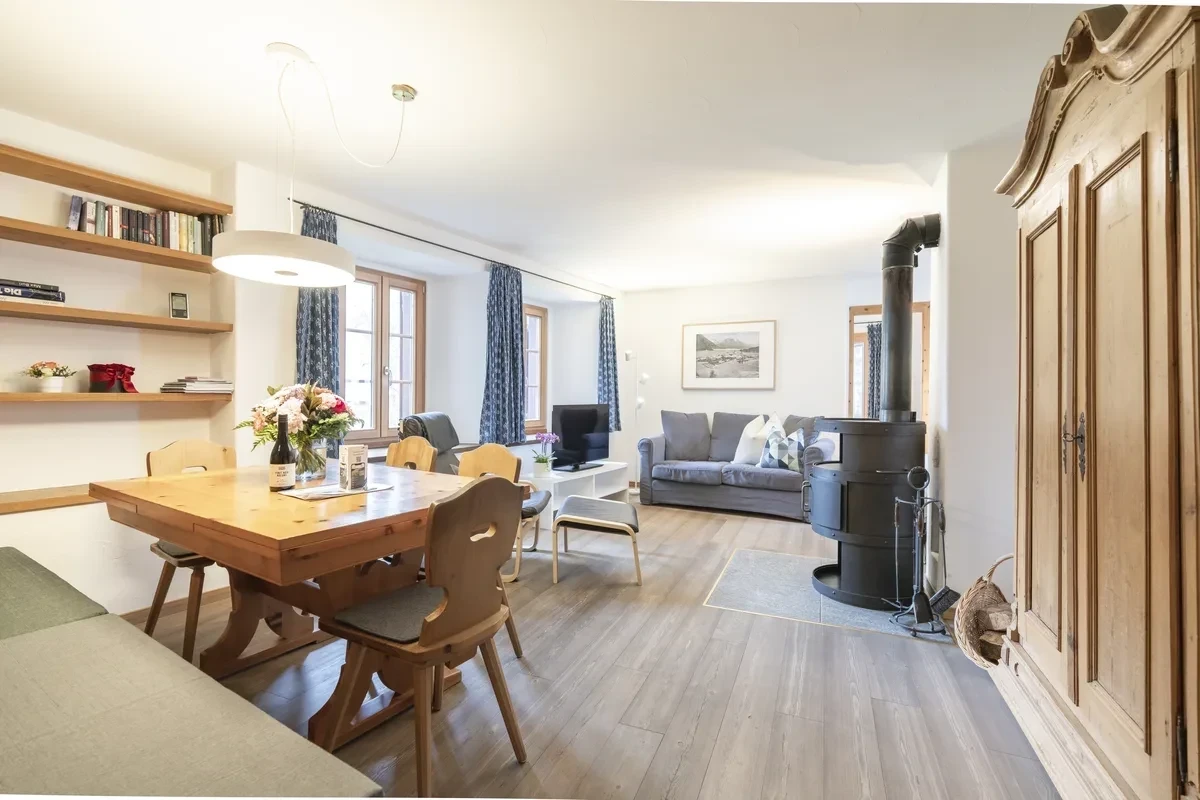
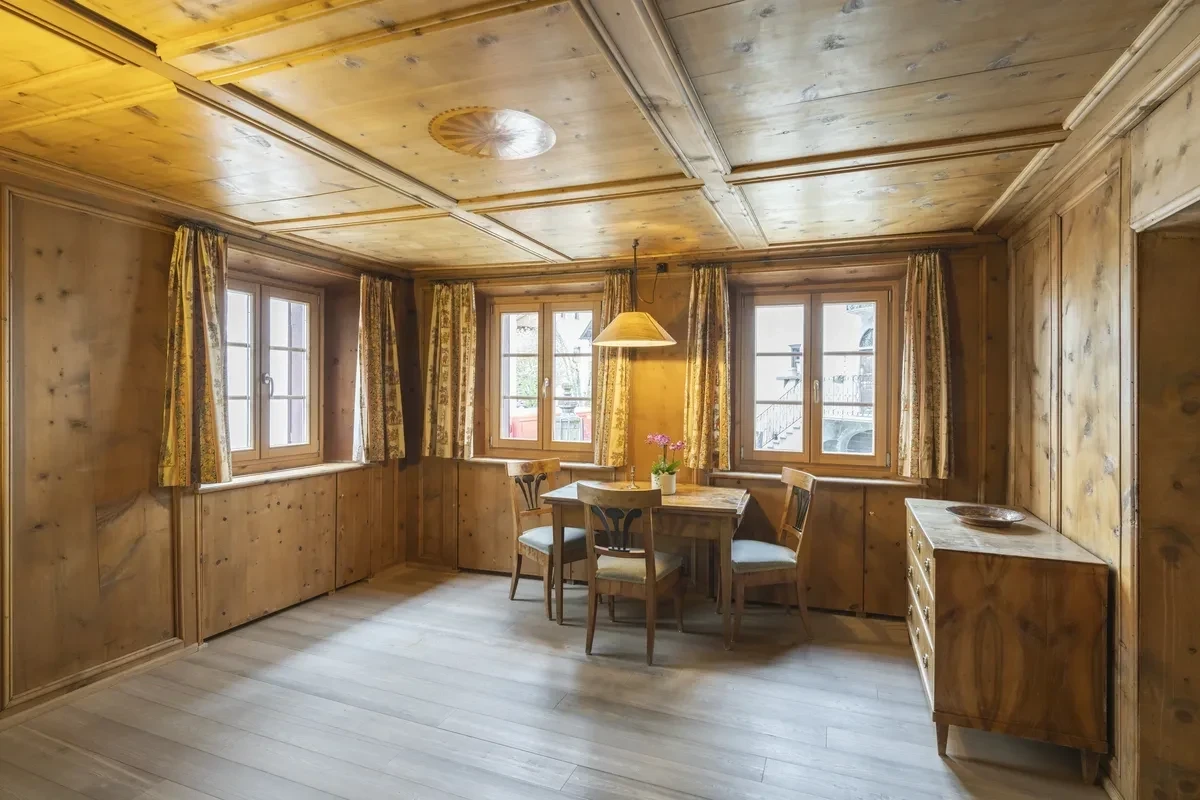
More inspiration in the Journal – or view the holiday apartments and check availability.