Summer vs. winter
- Summer (Jun–Sep)
- Hiking, biking, swimming; green valleys, long days
- Autumn (Oct)
- Golden larch forest, clear far views
- Winter (Dec–Mar)
- Skiing, over 200 km of cross-country trails, Engadin Ski Marathon
- Snow reliability
- high thanks to a location above 1,700 m
Two faces of one region
The Engadine is a year-round destination – but summer and winter could hardly be more different. Which season is right for you depends entirely on what you are looking for: movement in green mountain nature, or snow, cross-country trails and a wintry mood. This comparison helps you decide.
The Engadine in summer
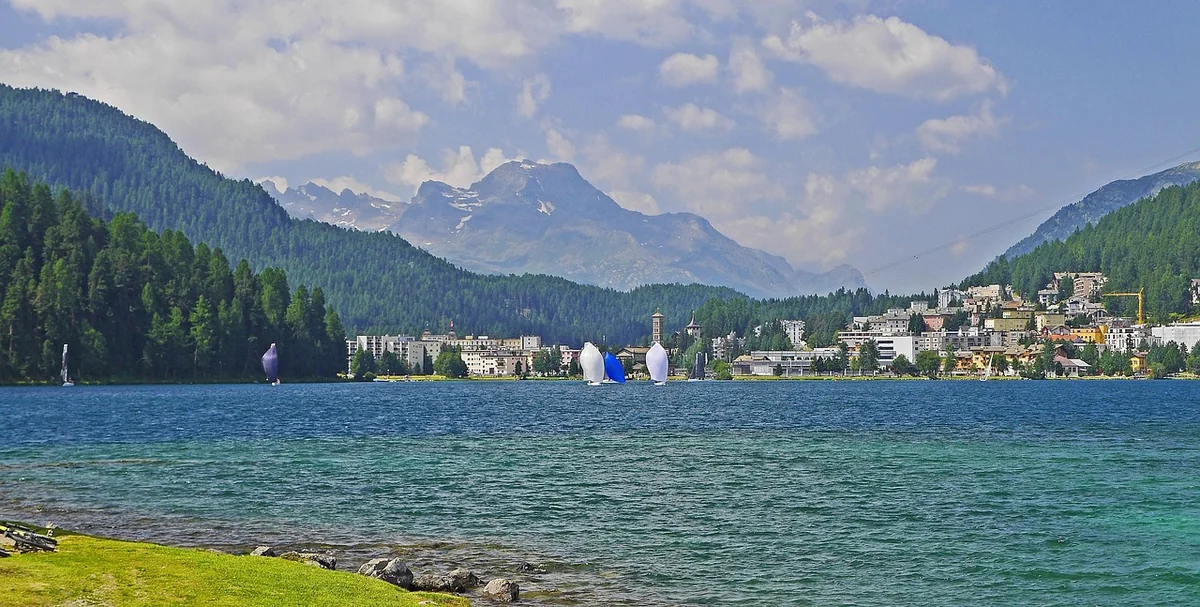
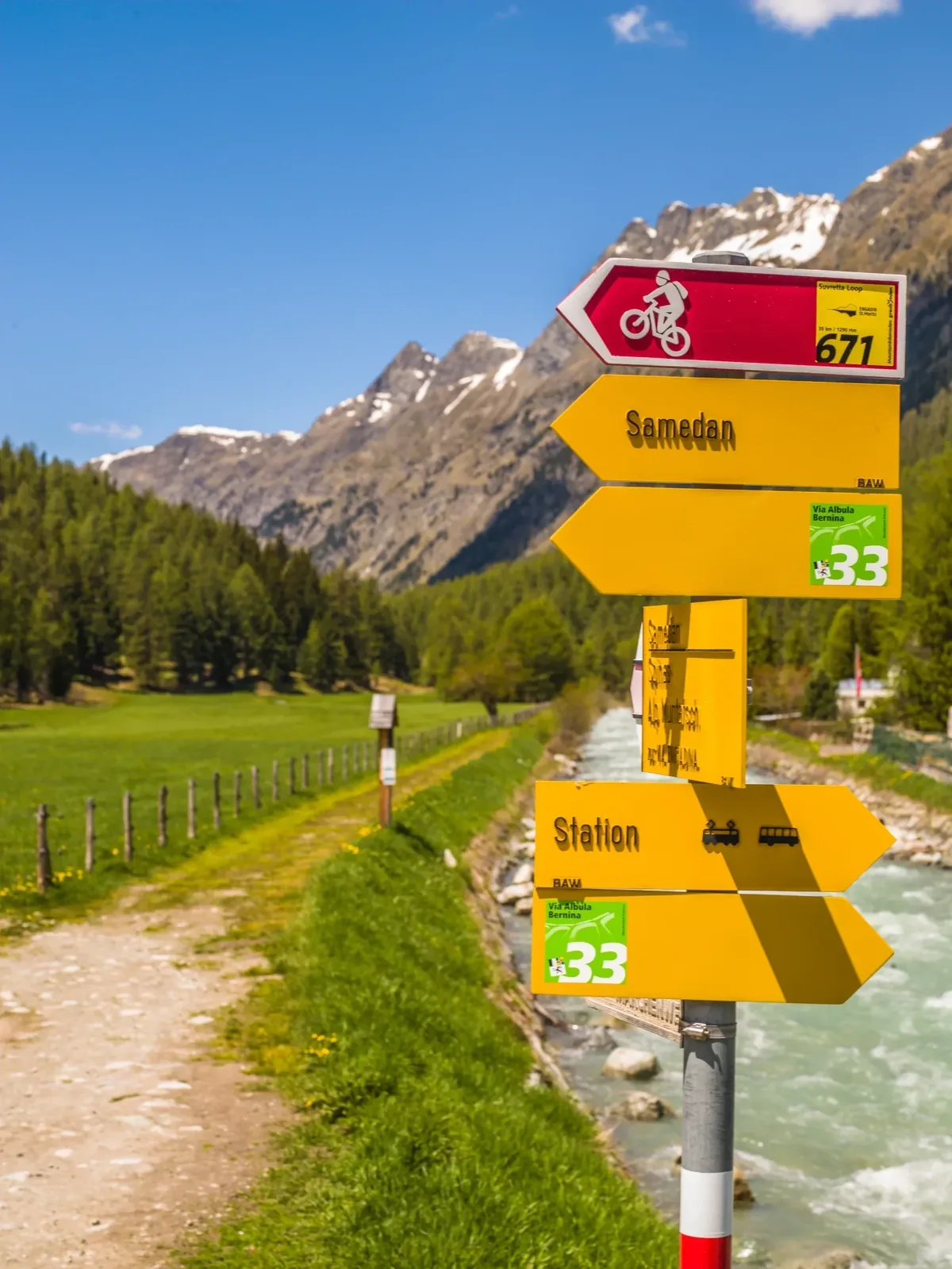
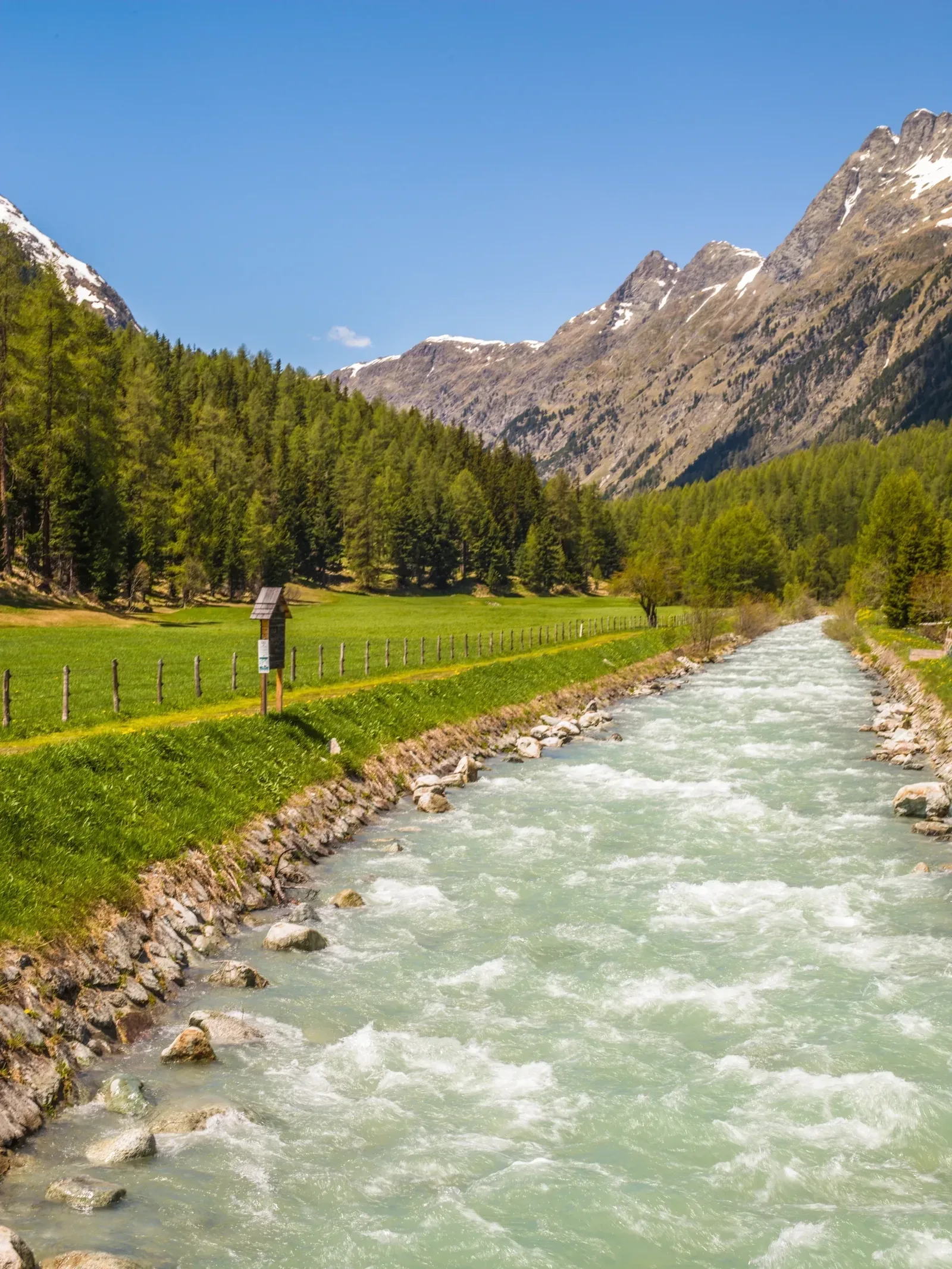
Summer is the underrated high season. The Engadine is considered one of the driest and sunniest high valleys in the Alps. The meadows bloom, the lakes shimmer turquoise, and a wide network of hiking trails and a dense biking network lie open. Temperatures are pleasant, the nights cool, the air clear. Right from Bever begins the traffic-free Val Bever, mountain railways such as Muottas Muragl and the Diavolezza open up high-alpine paths, and Lake Staz invites you to swim. For hikers, bikers, families and everyone seeking nature and movement, summer is ideal – and often cheaper than deep winter.
The Engadine in winter
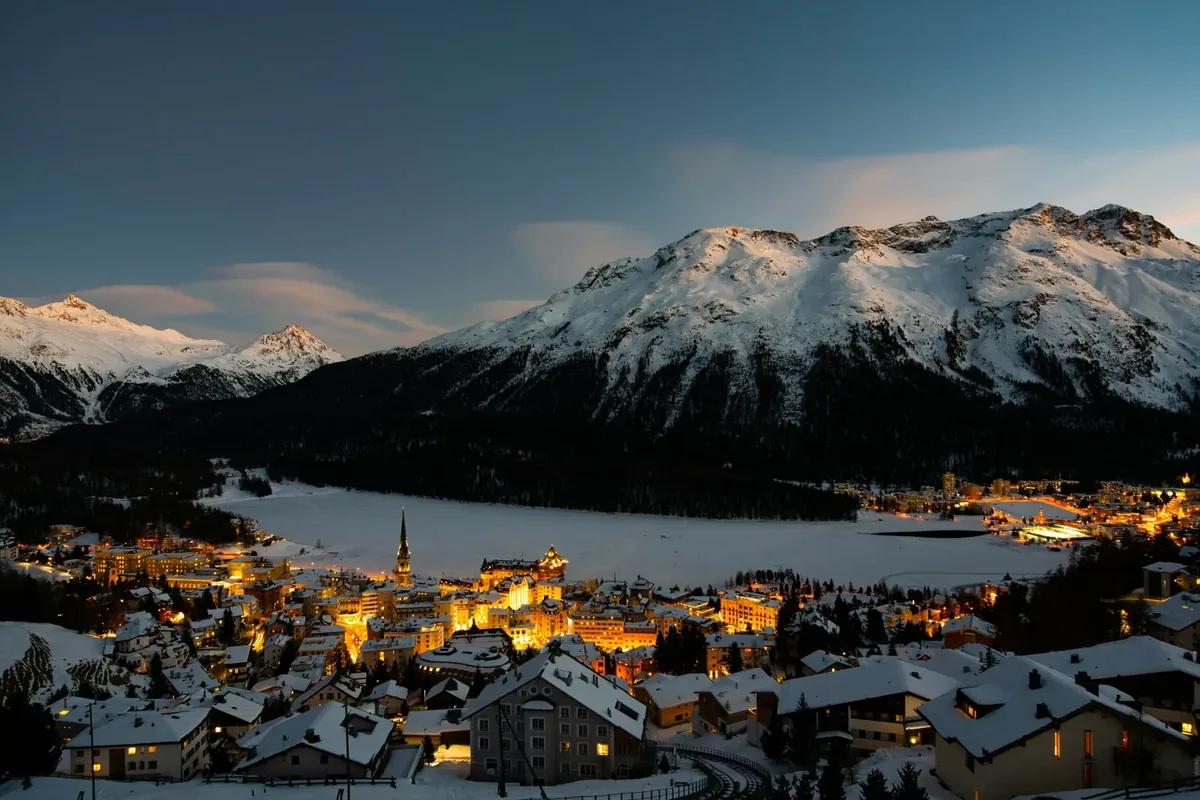
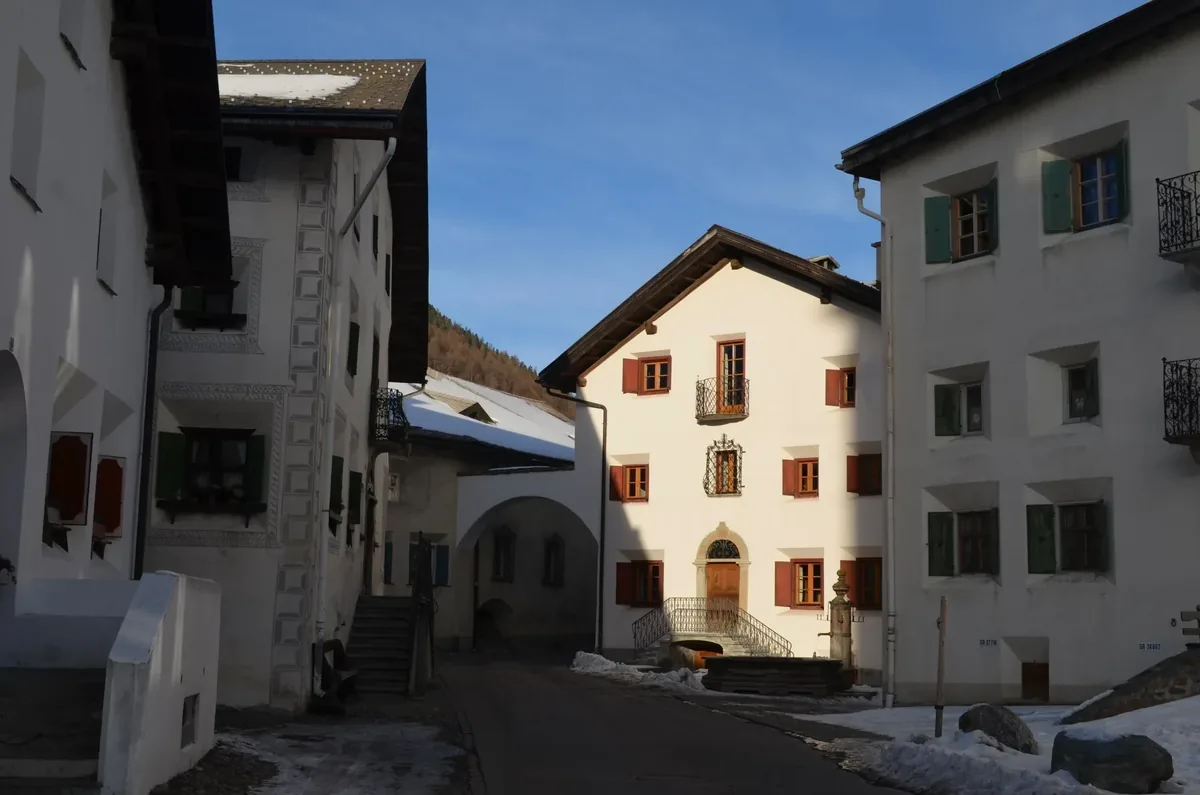
Winter is the classic Engadine of the postcards: deeply snow-covered valleys, sunshine over white trails and first-class ski areas. The Upper Engadine is one of the best cross-country regions in Europe, with a roughly 200-kilometre trail network that passes right through Bever. The highlight is the Engadin Ski Marathon in March. Add to that skiing at Corviglia, Corvatsch, Diavolezza and Lagalb, winter hiking, sledging and events such as White Turf on the frozen Lake St. Moritz. Winter is livelier, more glamorous – and in high season more expensive and busier.
The shoulder seasons
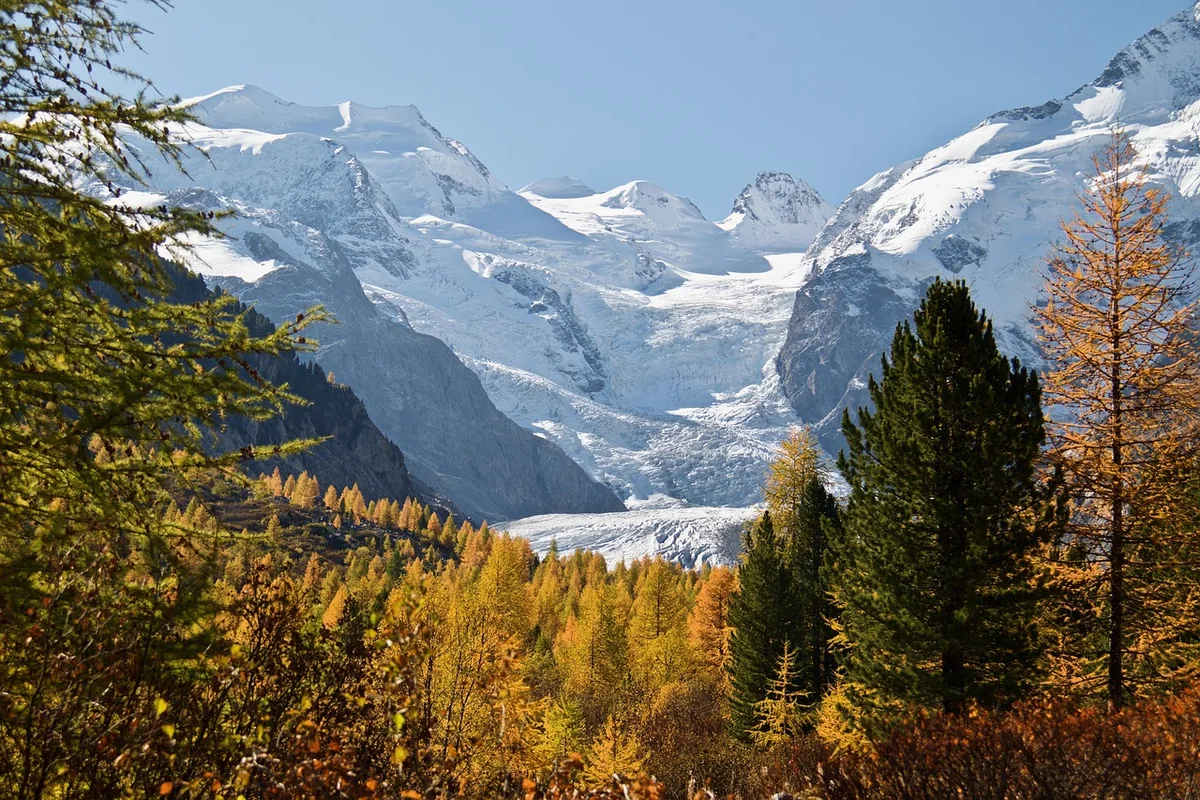
Early autumn and early summer have their charm too: quieter, often mild, with golden larches in October and the first flowers in June. In these weeks the valley slows down, the paths are empty and prices are usually more attractive. Those seeking peace and good value should consider the edge seasons – though some mountain railways and businesses then take maintenance breaks, so it is worth checking the opening times.
Assessing weather and altitude correctly
At 1,700 metres and higher the weather is changeable. In summer daytime temperatures can feel summery while the nights approach freezing – layered clothing is essential. UV radiation is intense at altitude, so sun protection is important year-round. In winter the altitude provides good snow reliability, while warm, windproof clothing is needed. Those who plan flexibly align their activities with the weather.
What suits you?
If you are looking for an active holiday in nature, hiking, biking and mild temperatures, choose summer. If you love snow, cross-country skiing, downhill skiing and a wintry atmosphere, winter is your favourite. Those who value peace and fair prices will find the quiet Engadine in the shoulder seasons. In Bever you are centrally and quietly based in every season. Check availability
More inspiration in the Journal – or view the holiday apartments and check availability.