Off-season
- Autumn
- Usually mid-October to mid-December
- Quietest days
- Usually mid-November – hardly any major mountain railway in operation
- Spring
- Usually mid-April to mid-June
- Always open
- Rhaetian Railway, buses, shops, Bogn Engiadina Scuol
- Last slopes
- High-altitude areas such as Corvatsch and Diavolezza, often well into April
When the Engadin catches its breath
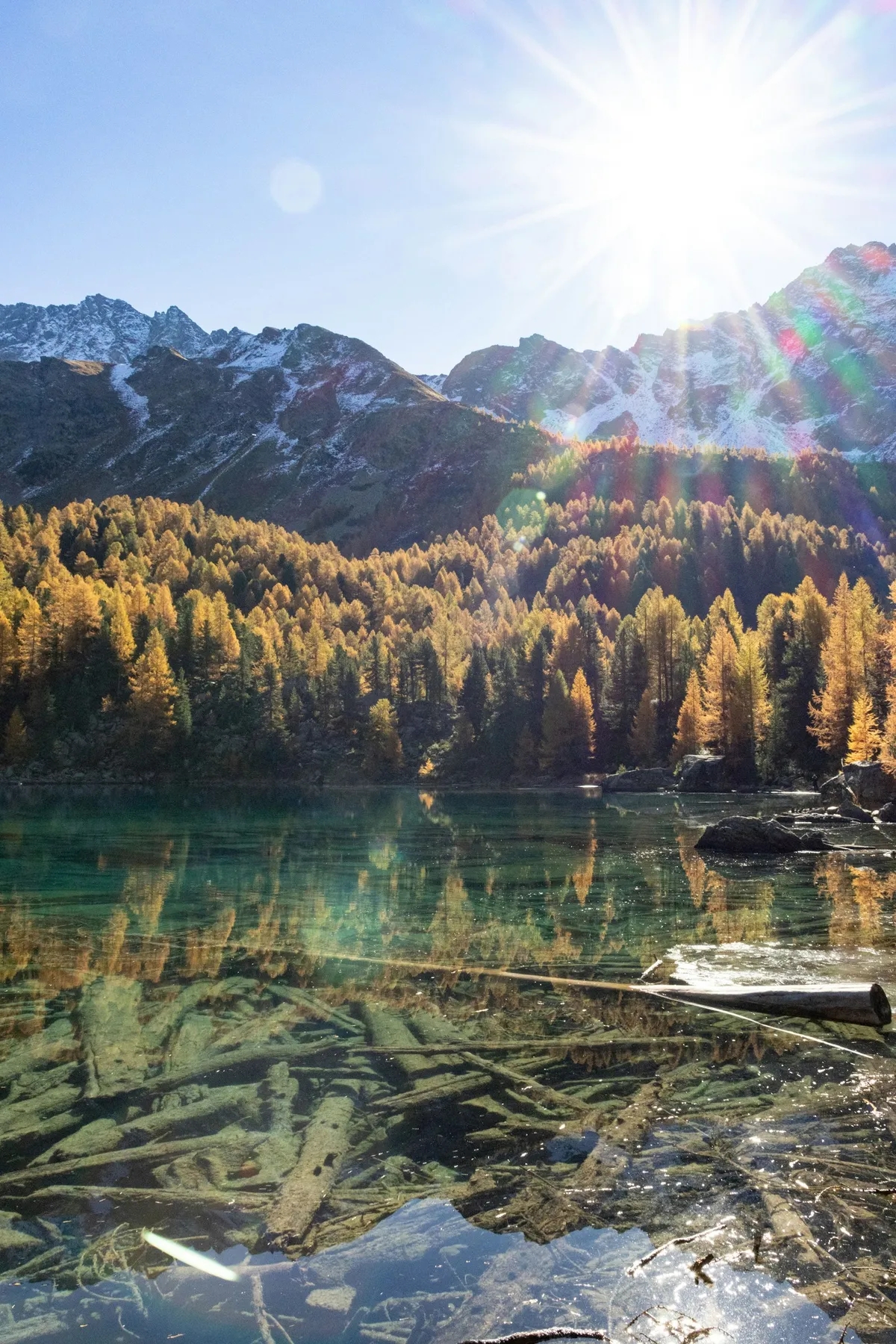
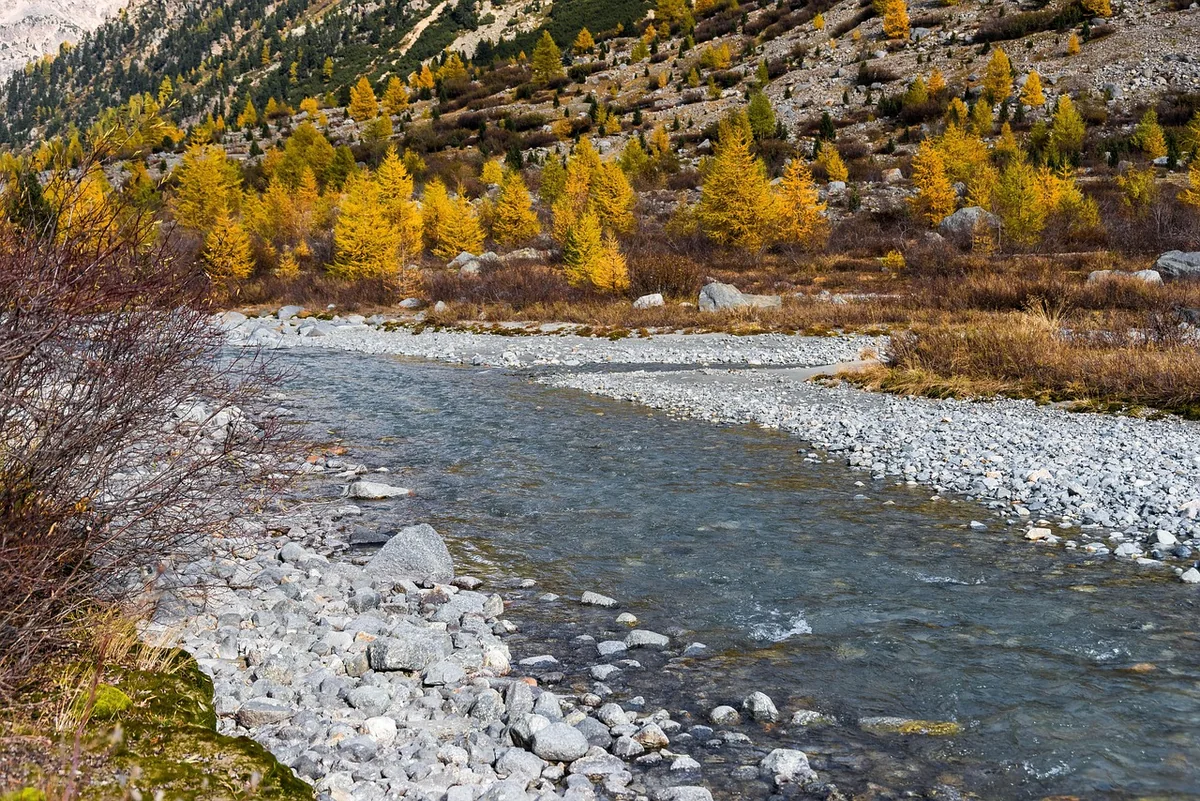
Twice a year, the Upper Engadin goes quiet. In autumn, when the larches have lost their gold and the first snow doesn’t yet settle, and in spring, when the slopes close and the meadows are still brown. Many hotels and restaurants then close for their holidays, the mountain railways overhaul their installations, and the locals go on holiday themselves.
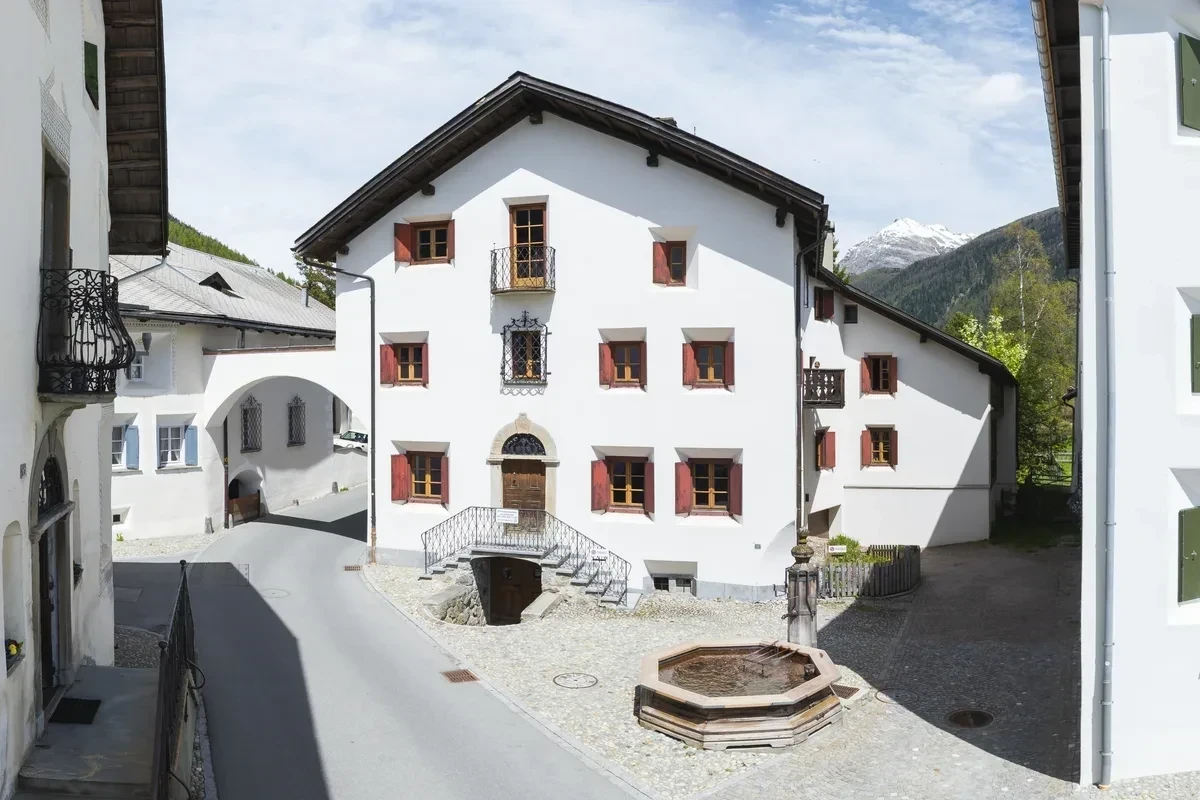
For guests looking for peace, these are often the loveliest weeks: empty footpaths, clear views of the lakes, and in the village you can hear the fountain again. So that you don’t find the doors closed, we have put together what is usually open in the off-season – and where to find the current dates.
Autumn: when the railways close
Most summer railways close in the second half of October. Winter operation starts in stages: Corvatsch and Corviglia usually at the end of November, the other major areas by shortly before Christmas. You will find the exact dates for the current year in the mountain railway reports from Engadin Tourism.
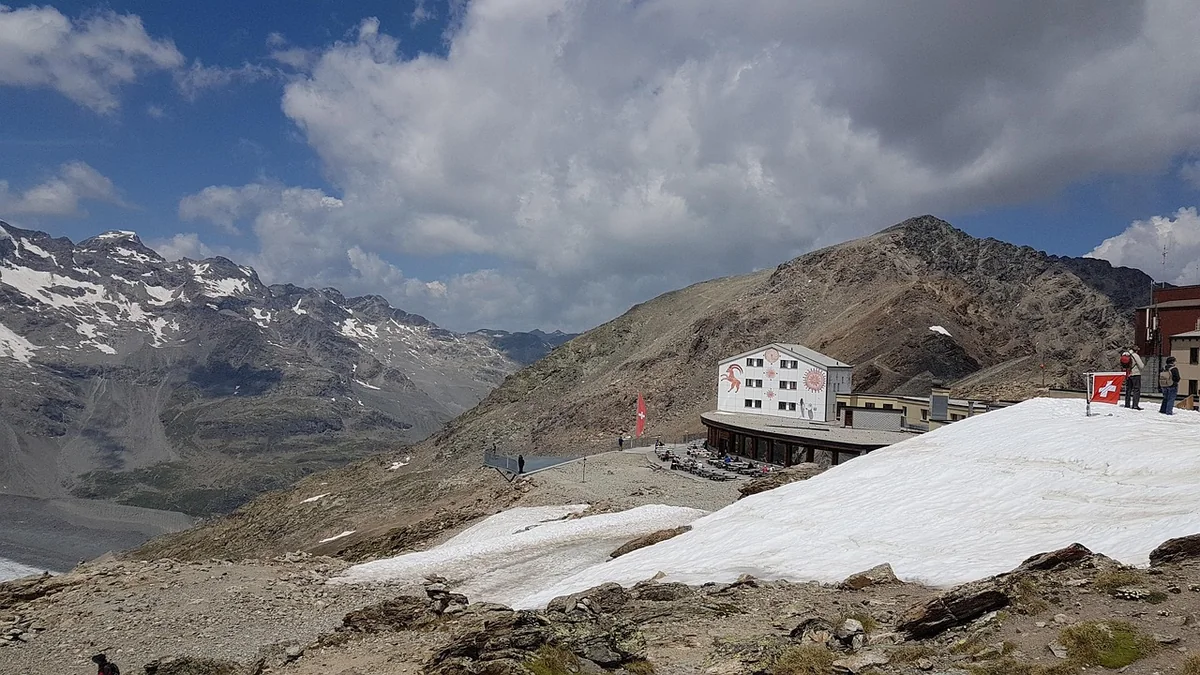
Two things stand out. First, in some years Muottas Muragl keeps running a little longer after the end of the summer season, with a reduced service and only in fine weather. And second, the Diavolezza often switches almost seamlessly from summer to an early winter operation and then closes for maintenance in November. The quietest days of the whole year are therefore usually around mid-November: hardly any of the major mountain railways is running then – ideal for walks in the valley and long evenings.
Spring: the last slopes and the first summer railways
The ski season ends in stages: the smaller areas usually close in March, the large ones around Easter or in early April, and the high-altitude ones such as Corvatsch and Diavolezza generally run well into April. After Easter, the sunny slopes and spring snow belong almost entirely to the locals.
The summer railways open in stages over the course of June – Muottas Muragl, depending on Whitsun, usually among the first. In between lie a few weeks in which people in the Engadin mainly do one thing: walk in the valley and watch spring climb from the valley floor up the slopes.
What stays open – and what doesn’t
Always there: the Rhaetian Railway runs all year round at its usual frequency – including over the Albula line to Chur and over the Bernina to Tirano. Buses run too, although somewhat less often after the summer timetable ends in autumn. Grocery shops in Samedan and St. Moritz stay open; Samedan is one train stop from Bever.
Water and warmth:
- The Ovaverva in St. Moritz has been open again since its renovation in spring 2026. There may be maintenance weeks in the off-season – it is worth checking the pool’s website.
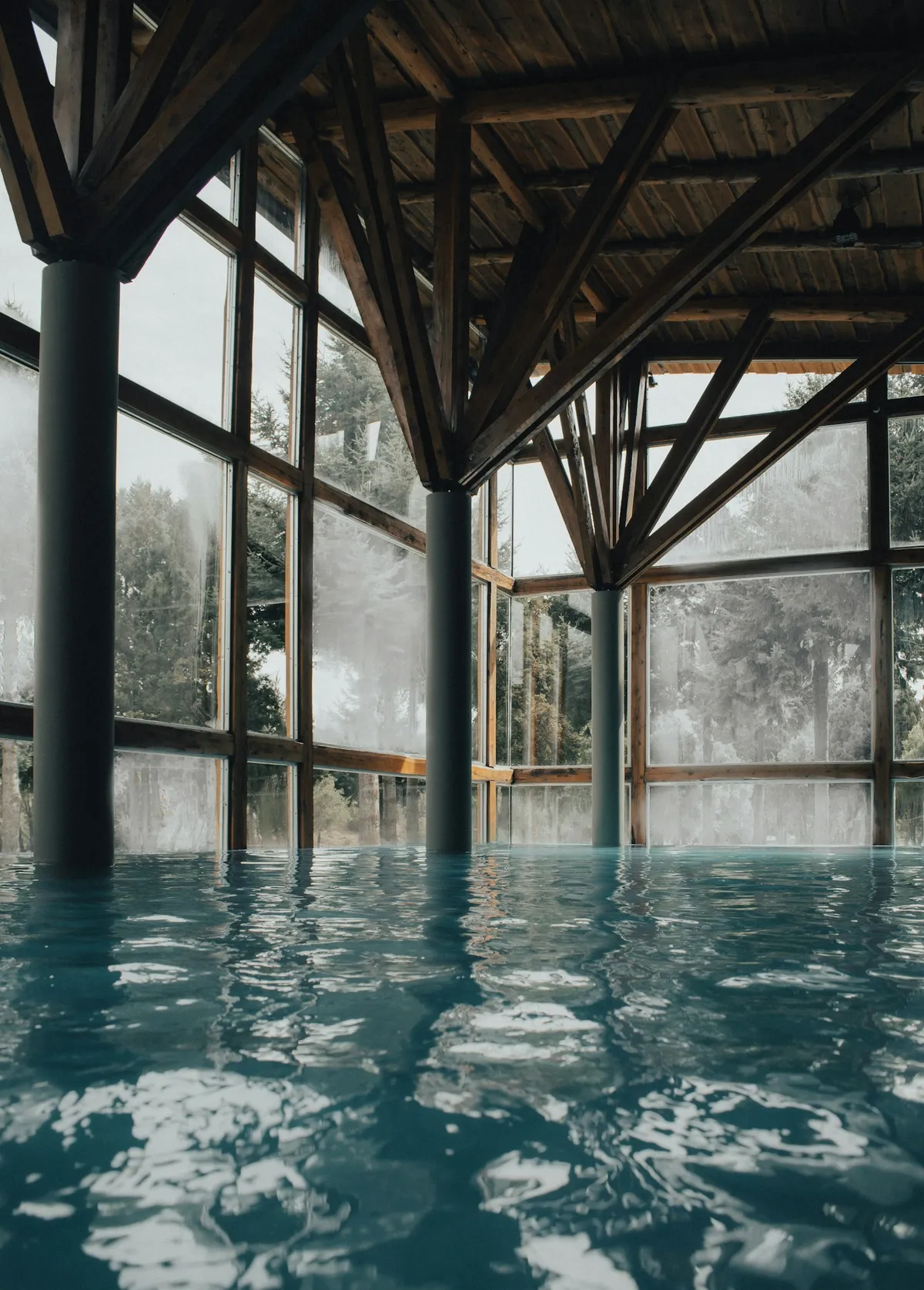
- The Bogn Engiadina in Scuol is, by its own account, open all year – a good plan for grey November days.
Museums with a break (current opening times on the museums’ websites):
- The Segantini Museum in St. Moritz closes in both off-seasons: usually from the end of October to early December and from mid-April to mid-May.
- The Museum Engiadinais in St. Moritz is mainly open in summer; the season usually ends in mid-October.
- The Nietzsche House in Sils usually closes between the end of October and mid-December.
Restaurants and hotels: many businesses close in early October, others keep going into November. Staying in a holiday apartment is a clear advantage here: you cook for yourself whenever you like and only book for the evenings you want to go out. Some Engadin villages keep a list of businesses that stay open longer in autumn – worth a look before you arrive.
What you experience now – and never otherwise
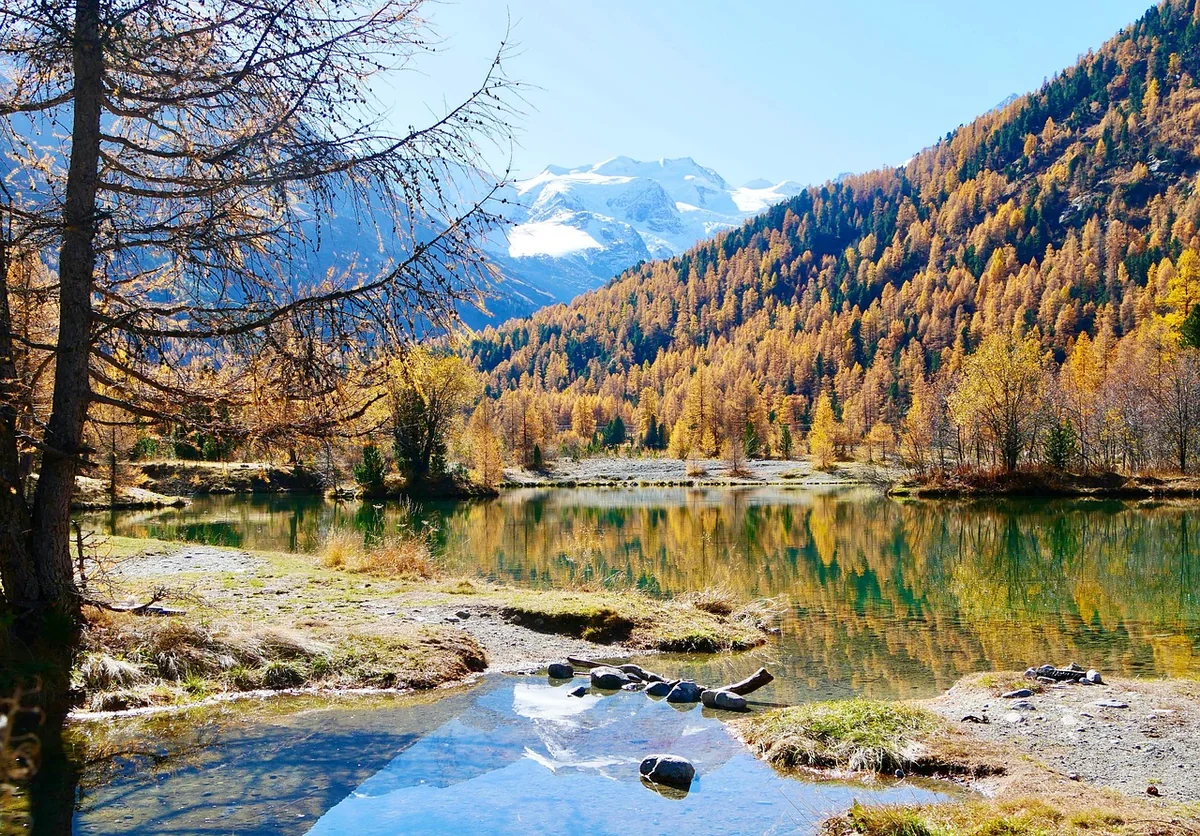
In October the larches glow. The colour usually lasts two to three weeks; more on this in the article The golden larch autumn in the Engadin. In some years there are even guided photo walks on the theme – the events calendar has the details.
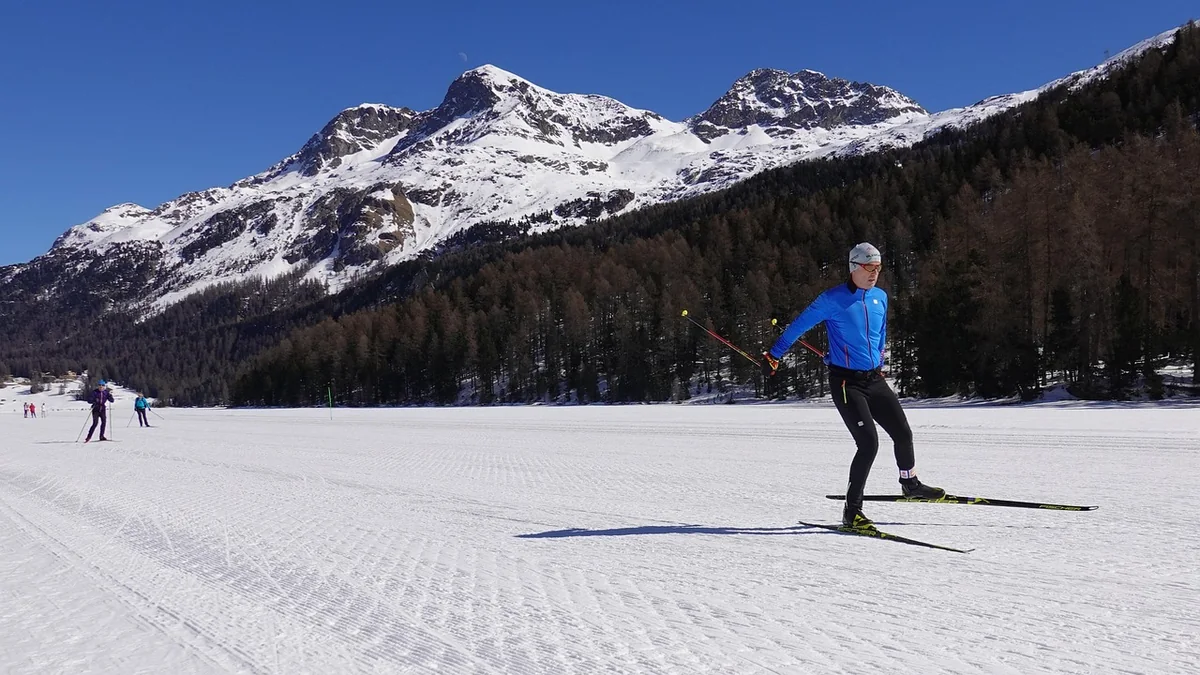
In November the first cross-country skiers arrive. Thanks to snow farming – snow stored under wood chips over the summer – a first short trail can open by the St. Moritz campsite as early as the beginning of November, along with the first events to mark the start of the season. The trails right from Bever follow as soon as there is enough natural snow; more in the article A cross-country paradise on your doorstep: the Val Bever.
In December and January the lakes freeze. If it doesn’t snow while they freeze, black ice forms, so clear that you can see the stones on the bottom. Lake Sils usually freezes over between late December and mid-January. The ice is only checked on marked paths, cross-country trails and facilities – elsewhere you always step onto it at your own risk. In winter, Lake Staz is an ice rink.
In spring something rare awakens right on our doorstep: the Inn floodplains between Bever and La Punt have been restored to their natural state over around two kilometres since 2012. Today the common sandpiper, highly endangered in Switzerland, and the little ringed plover breed here. From mid-April to July, the Swiss Ornithological Institute therefore asks visitors to stay on the paths and keep dogs on a lead. With binoculars you can still see a lot from the path – most of all early in the morning.
The weather: colder than you think, sunnier than you fear
The Upper Engadin is one of the coldest inhabited high valleys in Switzerland; temperatures below −36 °C have been measured in Samedan. The 1991–2020 climate normals for Samedan, one train stop from Bever:
| Month | Mean | Day / night | Fresh snow |
|---|---|---|---|
| October | 3.6 °C | 10.5 / −2.6 °C | 8 cm |
| November | −2.1 °C | 4.1 / −7.8 °C | 41 cm |
| December | −7.0 °C | −0.7 / −13.4 °C | 50 cm |
| April | 1.9 °C | 7.9 / −4.3 °C | 24 cm |
| May | 6.7 °C | 12.9 / 0.1 °C | 6 cm |
| June | 10.5 °C | 17.0 / 3.2 °C | 1 cm |
In practice this means: in October, sunny walking days with gloves in the morning are typical, in November it can snow at any time, and in April there is often still snow in the valley while the sun is already warming strongly. Warm layers belong in your luggage in both off-seasons.
Events in autumn
Even if things get quieter, there is still something going on. Typical of the autumn weeks are events like these from the region’s events calendar – the exact dates change every year:
- October: guided tour of the Lataria Engiadinaisa dairy in Bever, Metzgete (traditional butchery feast) on Marguns, Stubete am See (folk music gathering) in Sils, steam train ride over the Albula line
- Autumn: chestnut festival in the Bregaglia
- October to December: village tours in Bever
- End of November: ski test on the Corviglia
- End of November and December: Christmas markets in La Punt, St. Moritz and Samedan
- December: Advent windows in Bever
- Fridays in winter: Snow Night on the Corvatsch
Whether and when these events take place is shown in the events calendar from Engadin Tourism.
Getting here: which passes are open
By train you can reach Bever all year round without restriction. By car, the Julier and Bernina remain passable all year, and winter equipment is compulsory. The Albula Pass closes in winter and only reopens in late spring. When the Flüela is closed, the Vereina car-carrying train remains. The canton shows current road conditions on strassen.gr.ch. More in the article Getting to the Engadin.
Who the off-season is ideal for
For everyone who would rather walk than queue. For couples and solo travellers looking for peace. For photographers who love mist over the Inn and hoarfrost on the larches. And for anyone who wants to work in the Engadin: on a workation, quiet weeks are a gift. If you would like to stay longer than a month, ask us about Chesa Michel’s monthly rates.
More inspiration in the Journal – or view the holiday apartments and check availability.