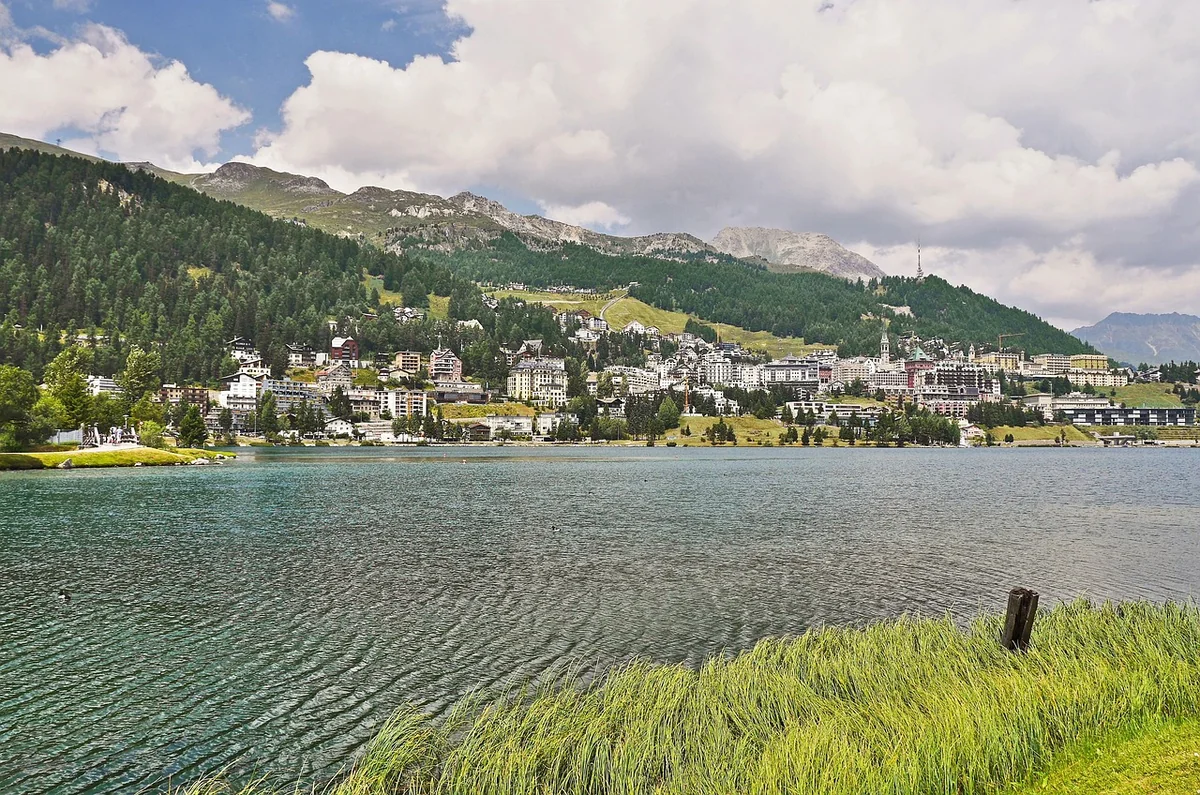
St. Moritz from Bever
- Getting there
- 12–15 min. by Rhaetian Railway
- Free
- Leaning Tower, Forum Paracelsus, lakeside walk, Eisarena
- Museum
- Segantini Museum, open in summer and winter
- Winter highlight
- White Turf on three Sundays in February
- Times and prices
- directly from the providers, links in the text
More than glamour
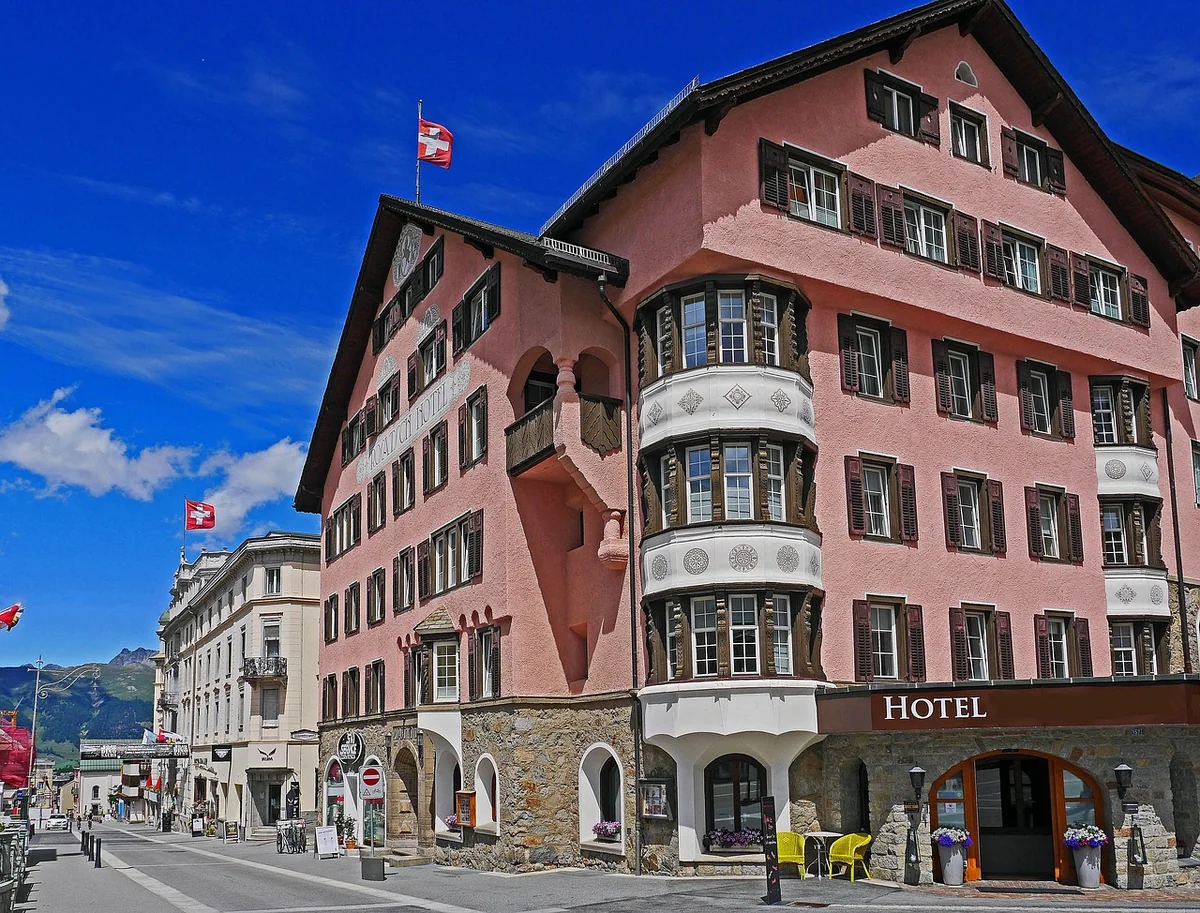
Most people know St. Moritz from the gossip columns: fur coats, luxury hotels, boutiques on Via Serlas. All of that is there. But St. Moritz is also the place where winter tourism was invented, where people enclosed a spring 3400 years ago, and where a bob run is built anew from snow every winter. If you walk through the village with your eyes open, you will find more history than in many more famous places.
From Bever, St. Moritz makes a half-day trip: the Rhaetian Railway takes 12 to 15 minutes, depending on the connection either direct or with a change in Samedan. From the station by the lake, the local bus and the Serletta escalator gallery take you up to the village.
The sights in the village
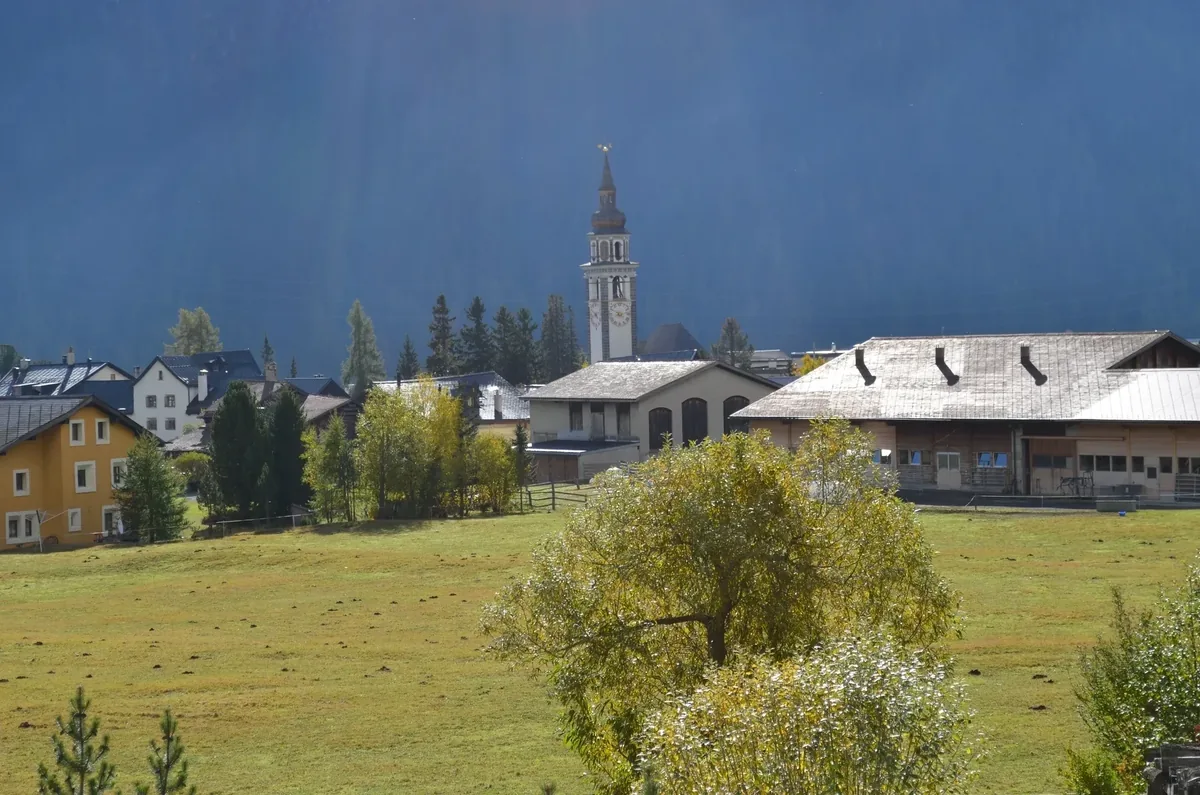
The Leaning Tower. It is the last remnant of St. Maurice’s Church, which was first mentioned as early as 1139. The tower dates from 1570, is 33 m high and leans by around 5.5 degrees – at the top it overhangs by about 3 m. The choir and nave were demolished in the 19th century; the tower remained standing after a public vote in 1897. It has been stabilised several times since, most recently in 2005 and 2013. The bells have not hung in it since 1890. Looking costs nothing.
The Segantini Museum. The building from 1908 was built especially for the Alpine Triptych “Becoming – Being – Passing Away” by Giovanni Segantini. The painter died in 1899 in a hut on the Schafberg while working on the central panel – you can hike to the Segantini hut from Muottas Muragl. The museum is open in summer and winter and closes for a few weeks in late autumn. Current opening times and admission prices: Segantini Museum.
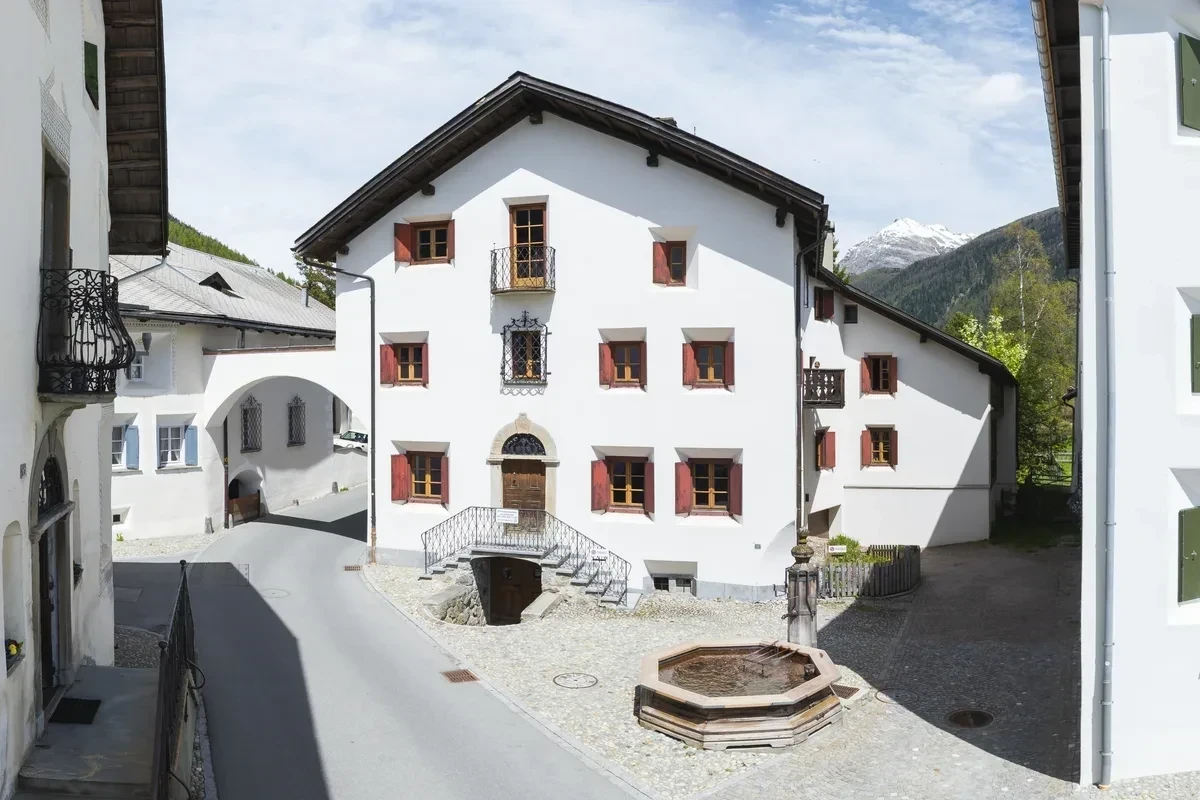
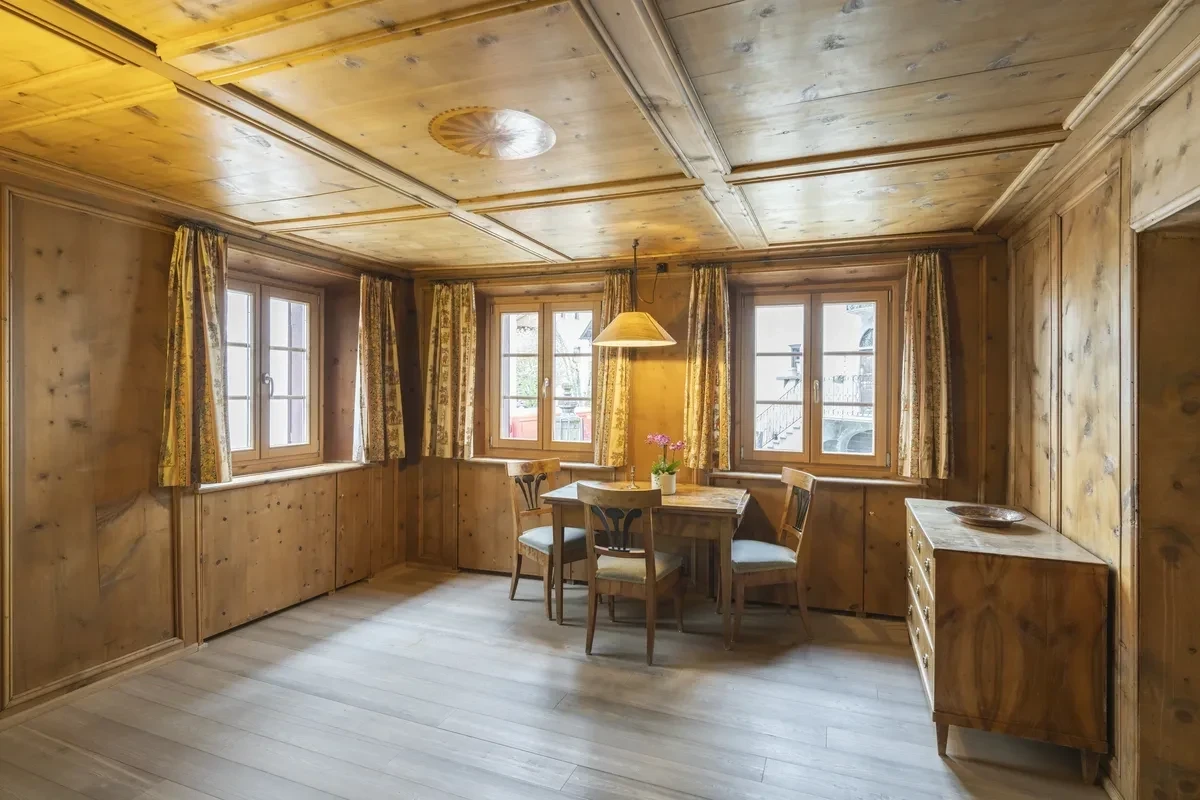
The Museum Engiadinais. A museum in the style of an Engadin house: panelled parlours, furniture and everyday objects from several centuries. Opening times and admission change with the season; see the Museum Engiadinais for current details. If you know our Swiss stone pine parlours, you will see here where they come from.
The Mili Weber House. The artist painted her entire home – walls, ceilings, furniture. A quiet, unusual total work of art. Visits by guided tour and advance booking only; dates and prices: Mili Weber House.
The healing spring: 3400 years of hospitality
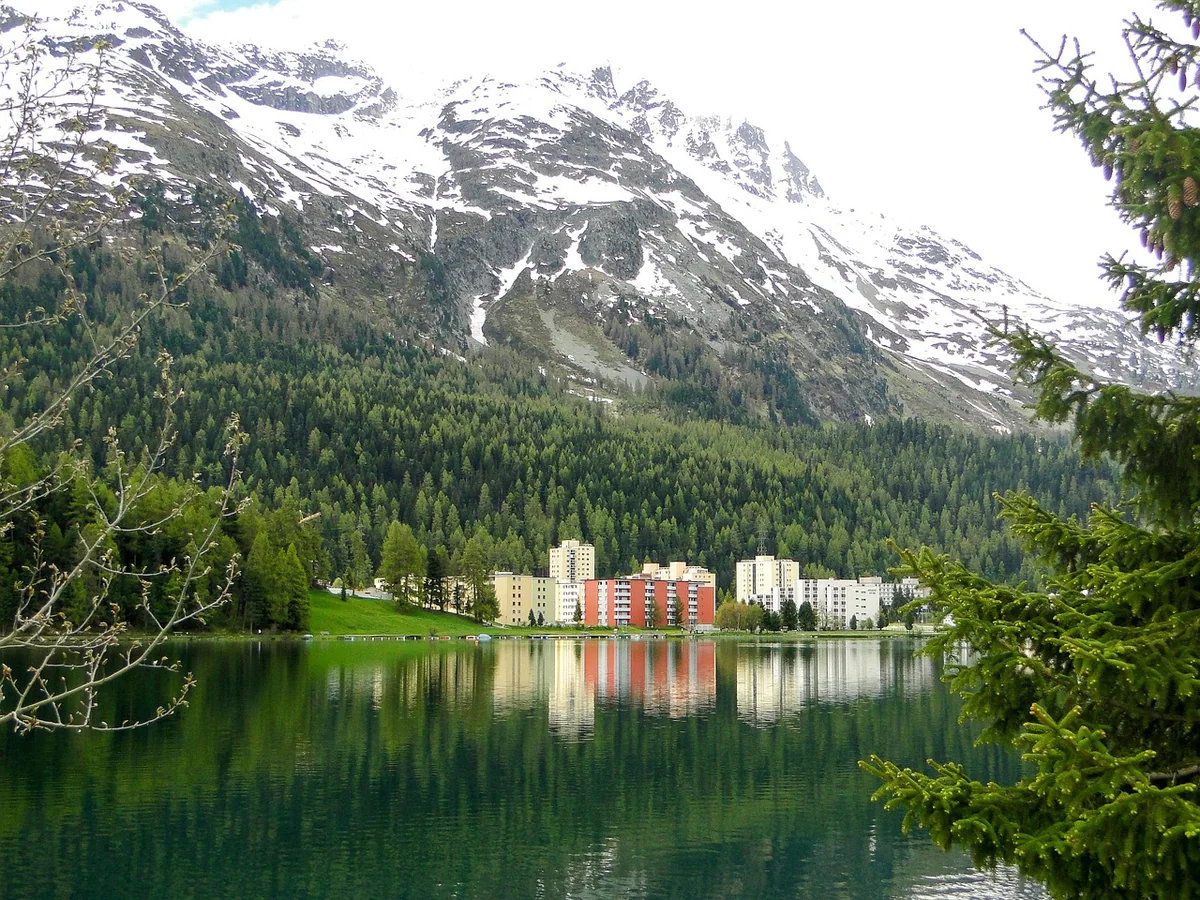
Long before hotels were built, people came for the water. At the Forum Paracelsus in St. Moritz Bad, an exhibition tells the story of the iron-rich Mauritius spring. Paracelsus praised it in 1535. Much older is the spring enclosure made of larch trunks, discovered in 1853: its tree rings date it to 1411 BC. Bronze swords lay inside it, probably offerings. It is considered one of the oldest traces of tourism in the Alpine region.
During the flooding in July 2024 the enclosure was shifted and stood under water; the Archaeological Service of Graubünden recovered it for restoration. The Forum itself charges no admission. You will see on site whether the drinking fountains with the healing water are in operation.
Where winter tourism was invented
In the autumn of 1864, the hotelier Johannes Badrutt made his English summer guests an offer: they should come back in winter, and if they did not like it, he would cover their travel costs. They came – and stayed until Easter. This is regarded as the beginning of winter tourism in the Alps. In 1878 electric light shone in the Kulm Hotel, which Badrutt had brought back from the World Exhibition in Paris. The Curling Club (1883), the Cresta Run (1884) and the golf course (1896) followed. The Winter Olympics were held here twice, in 1928 and 1948.
You can still see the traces: the old Olympic stadium stands in the Kulm’s park (in private use), and the Olympic ski jump has been out of service for years – voters rejected a new one in 2016. The Sunny Bar at the Kulm calls itself the oldest sports bar in the world and is open in winter only.
Winter: ice, horses, bob
Olympia Bob Run St. Moritz–Celerina. In operation since 1904 and the oldest and only natural ice run in the world: 1722 m long, 19 bends, a 130 m drop. Every year from mid-November, track workers rebuild it from around 15,000 m³ of snow and 10,000 m³ of water – which is why no two seasons are exactly the same. Rides take place in midwinter, usually from late December. As a guest you ride along in the taxi bob with a pilot, at up to 130 km/h. International races are also held on the run. Current dates and prices: Olympia Bob Run St. Moritz–Celerina.
Cresta Run. The legendary skeleton run from 1884 is 1214 m long; it is ridden every morning from just before Christmas to early March. Its best-known bend is called “Shuttlecock”.
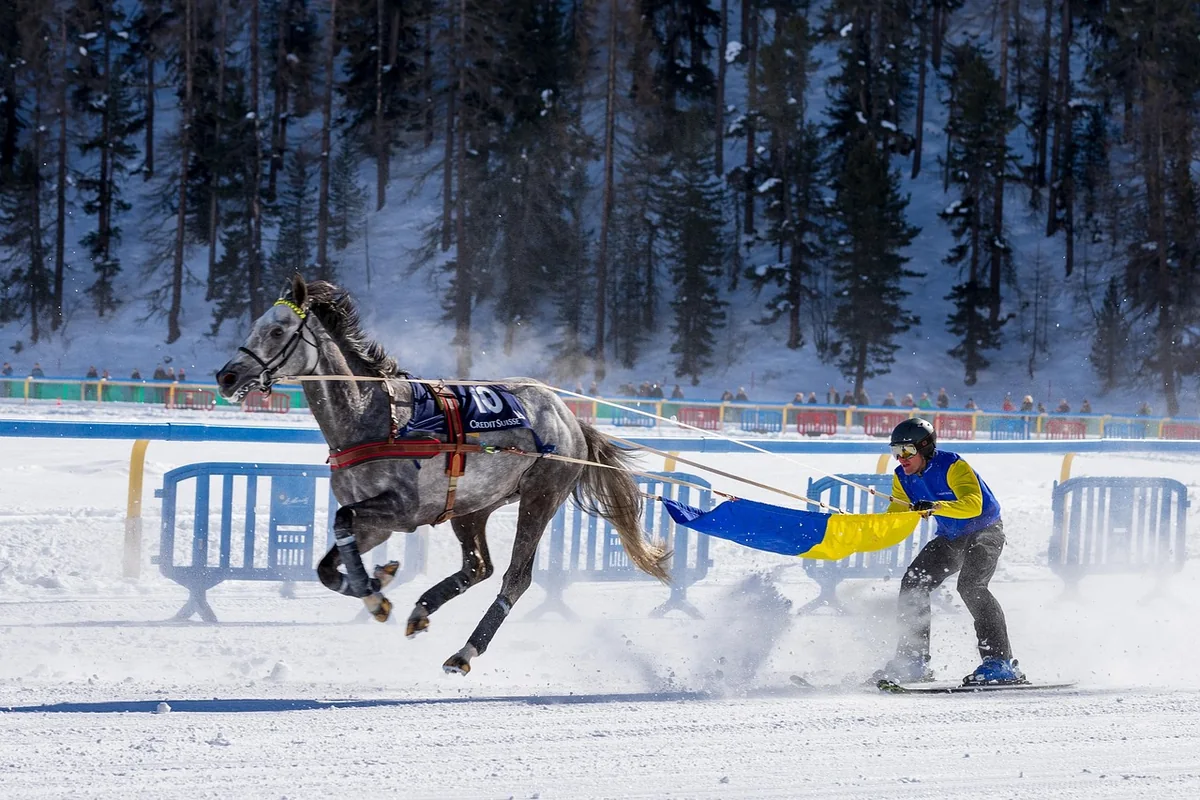
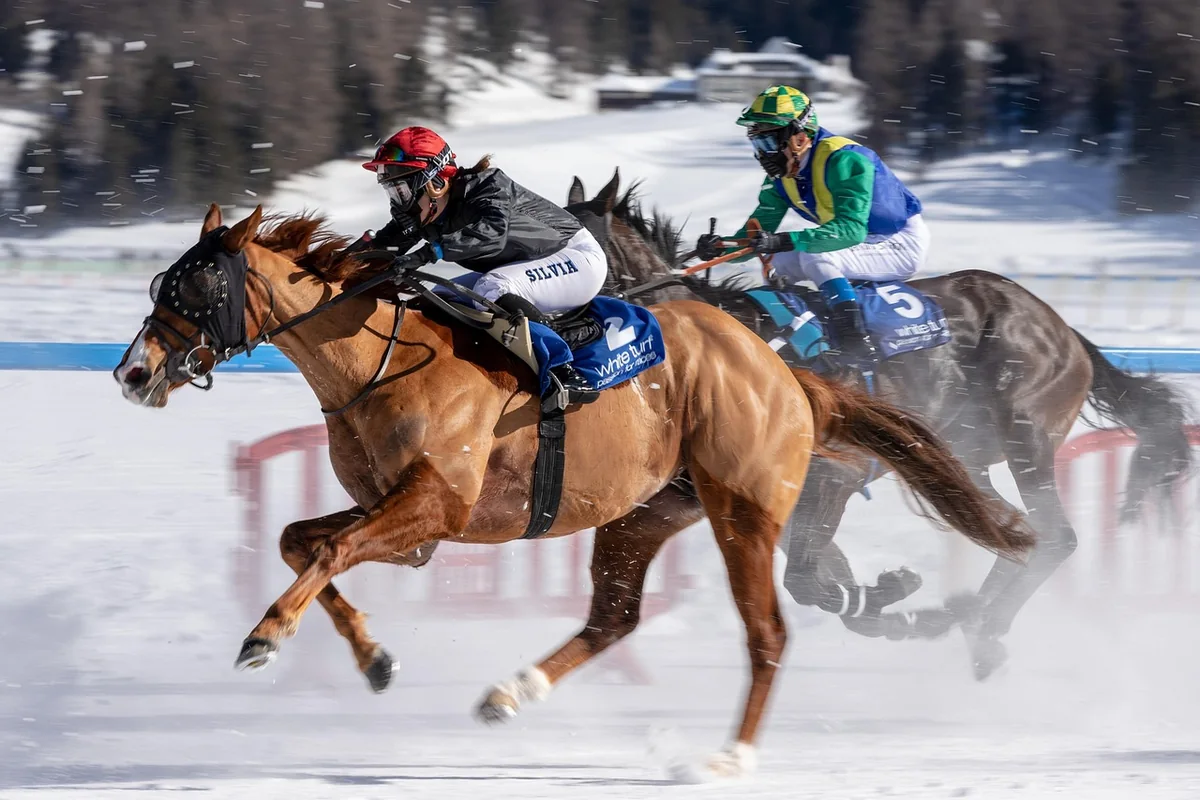
White Turf. Horse racing on frozen Lake St. Moritz, since 1907. The races are held on three Sundays in February, with family days on each preceding Saturday; the dates are published by White Turf. It includes skikjöring: skiers are pulled along by galloping horses.
Eisarena Ludains. Ice skating with no admission charge, in winter usually daily from December into spring, on some evenings also later. Skates can be hired on site. Current times and prices: Eisarena Ludains.
Summer: lake, gorge and mountains
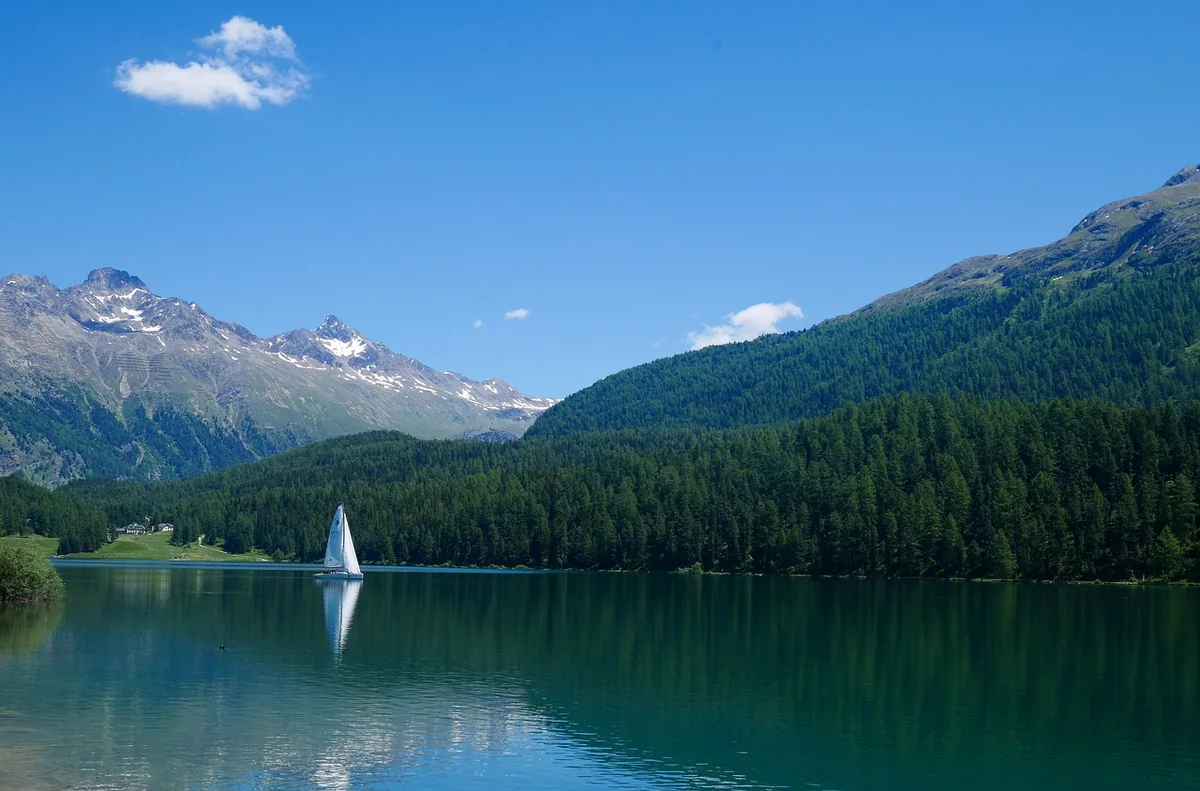
- Around the lake: Lake St. Moritz (1768 m) is the smallest of the four Upper Engadin lakes – a flat walk for an afternoon. People sail and paddle on the lake; the sailing club hires out boats.
- Charnadüra gorge: From the lake’s outflow, a path leads 1.2 km through the Inn gorge to Celerina. There has been no waterfall there since around 1970 – today the water flows through a tunnel to the power station.
- Lej da Staz: The moorland lake in the Staz forest warms up to around 20 °C in summer and is one of the most beautiful bathing spots in the area. It lies between St. Moritz, Celerina and Pontresina.
- Piz Nair (3057 m): The cable car from Corviglia runs in summer into the autumn. You go up with the funicular from the village, the Signalbahn from St. Moritz Bad or via Celerina–Marguns; operating times: Engadin St. Moritz Mountains.
- Biking: Seven flow trails on Corviglia, from the easy Marmotta (2.2 km) to the World Championship trail.
Kitesurfing, by the way, does not happen in St. Moritz but on Lake Silvaplana, a few kilometres further on. More on the lakes in the article Mountain lakes in the Engadin.
Practical information
- Parking: If you come by car, the Serletta multi-storey car park has 603 spaces. By train from Bever it is easier.
- Escalators: The Serletta escalator gallery connects the lake with the village and runs around the clock.
- Local bus: connects the station, the village and St. Moritz Bad.
- Time: Half a day is enough for the village with the tower, a museum and the lakeside walk. With a mountain railway or the bob, allow a whole day.
After St. Moritz, back to Bever
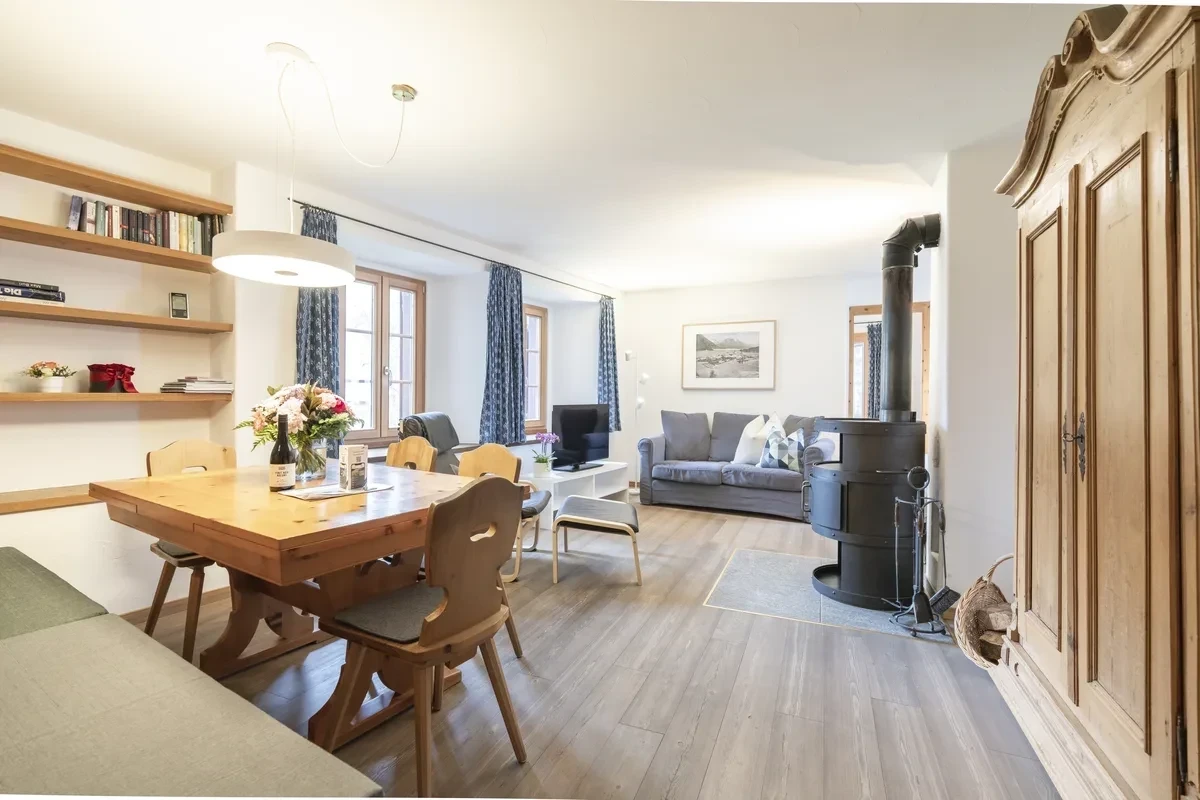
In the evening, the train takes you back to quiet Bever in a quarter of an hour – a contrast that many of our guests particularly appreciate. Why Bever works well as a base is explained in the comparison Bever, St. Moritz or Pontresina, and the events of the year in the article The Engadin month by month.
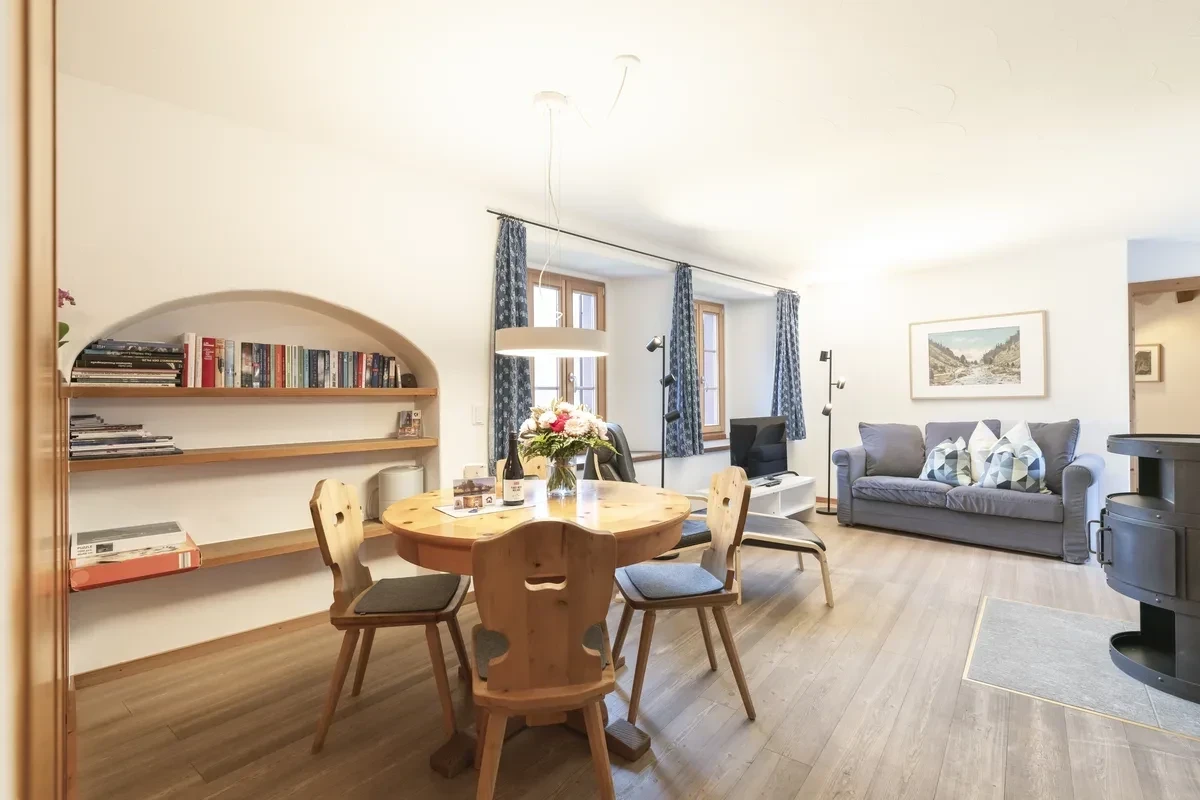
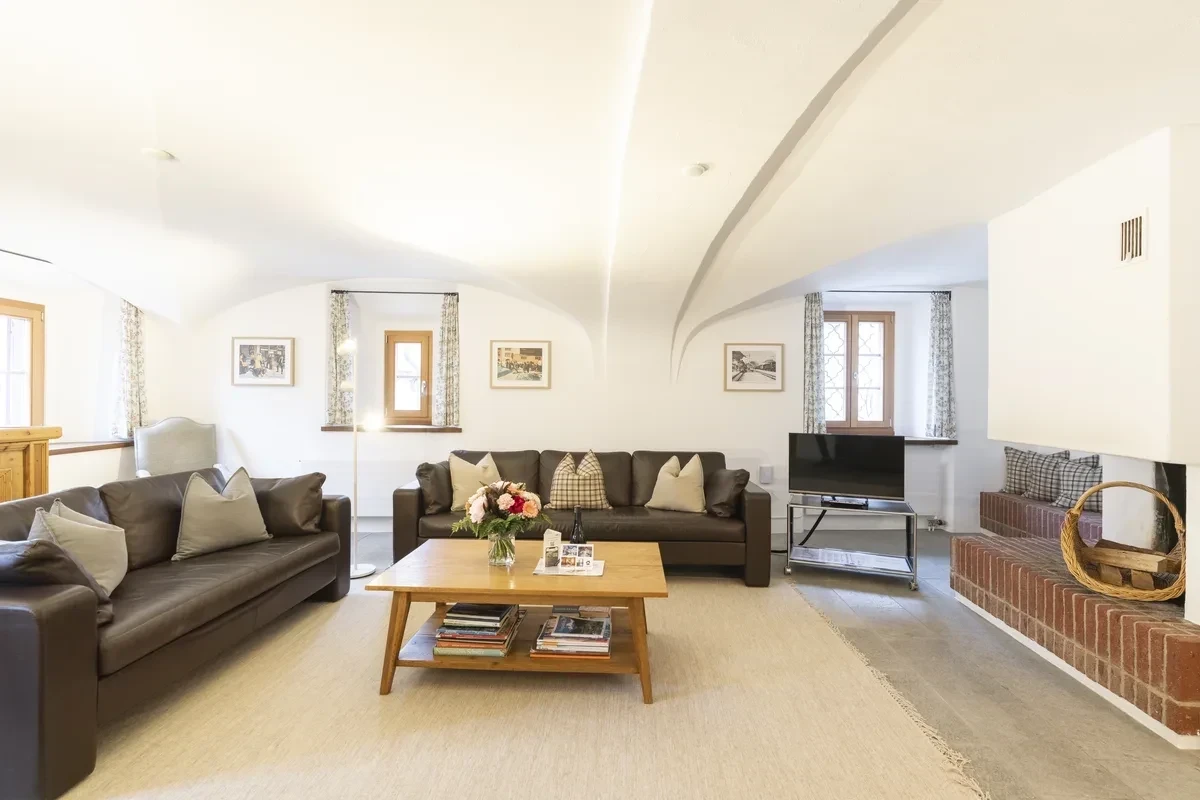
More inspiration in the Journal – or view the holiday apartments and check availability.