Language & culture
- Language
- Romansh (Puter idiom in the Upper Engadine)
- Status
- 4th national language of Switzerland
- Architecture
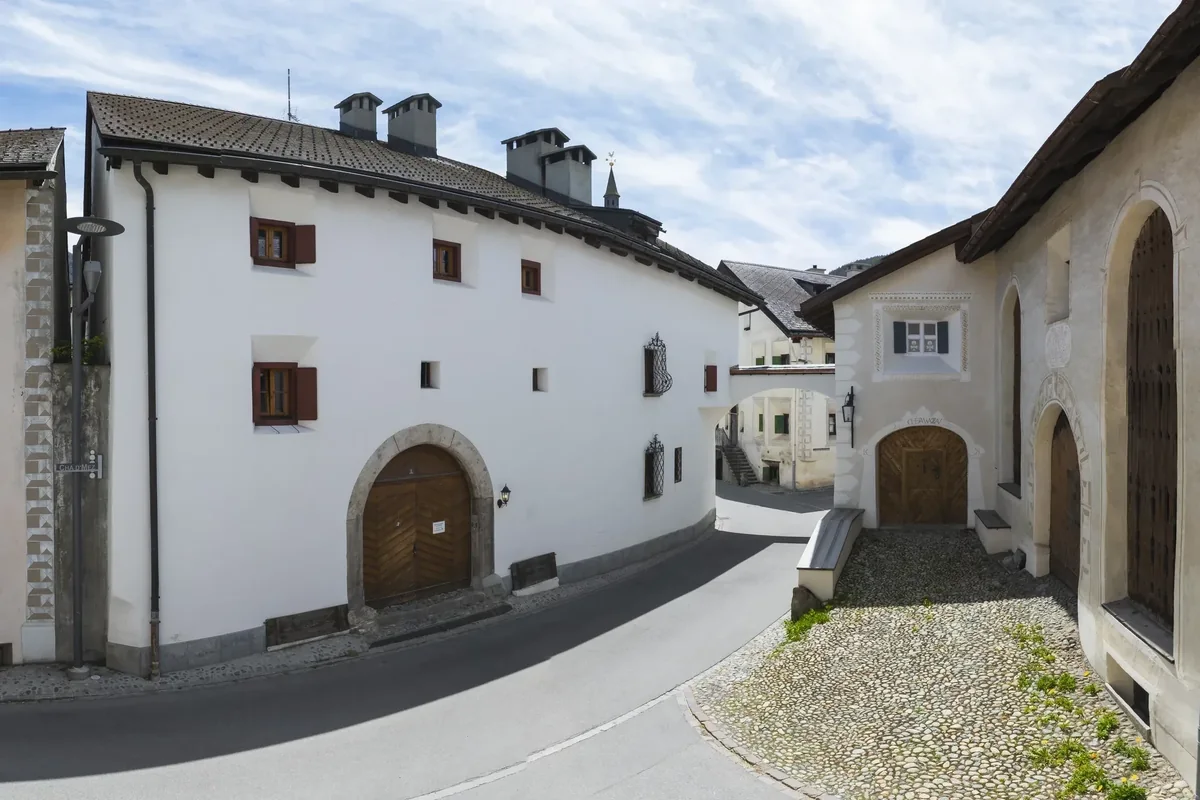
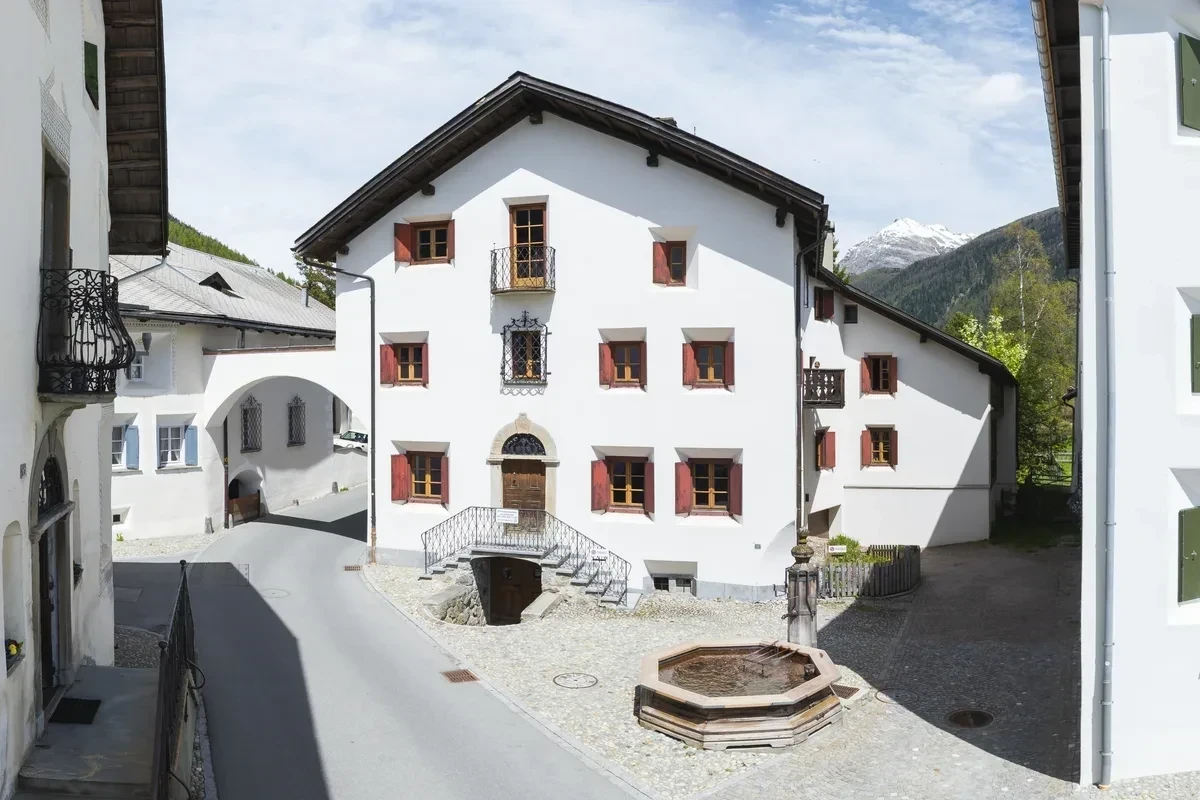
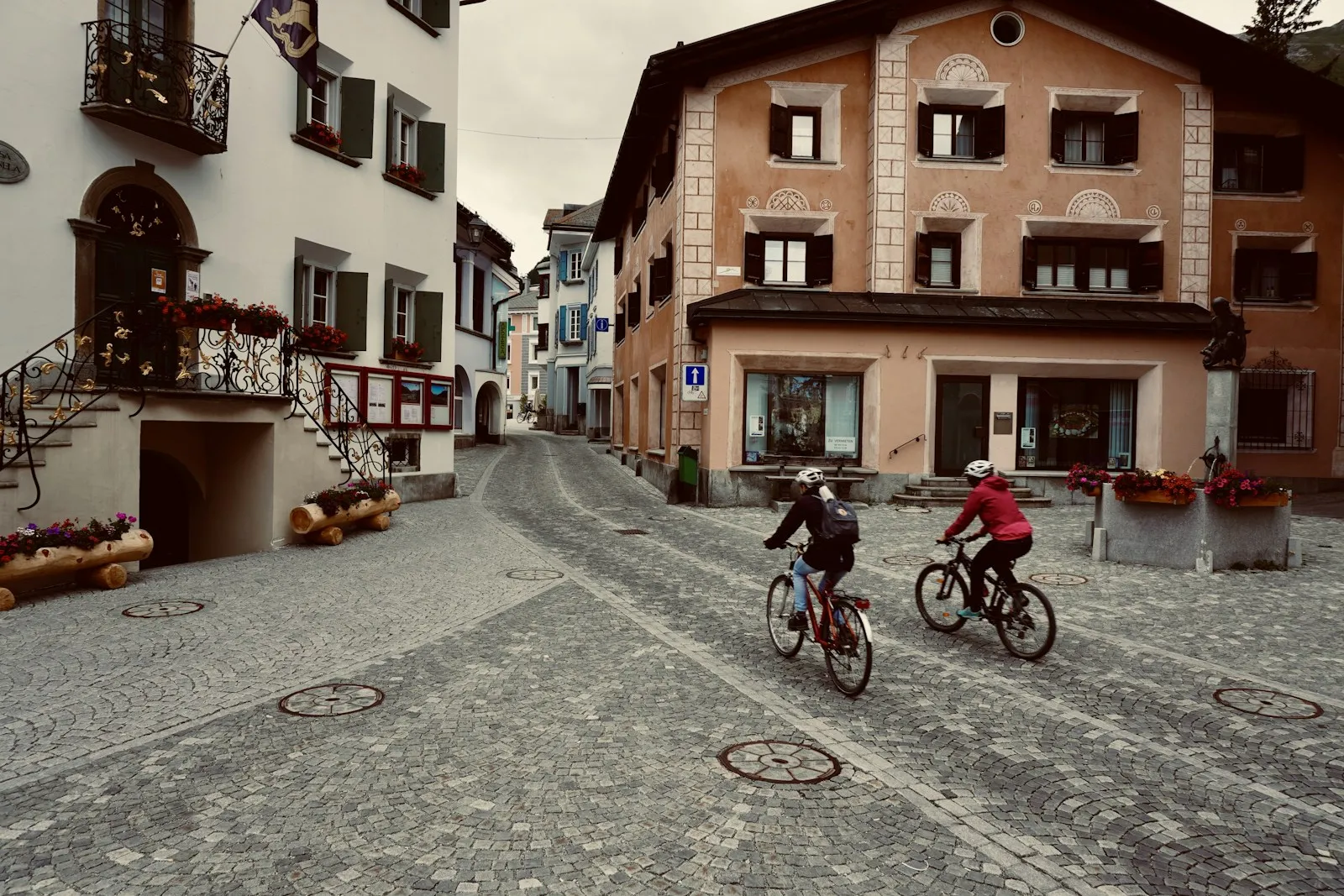
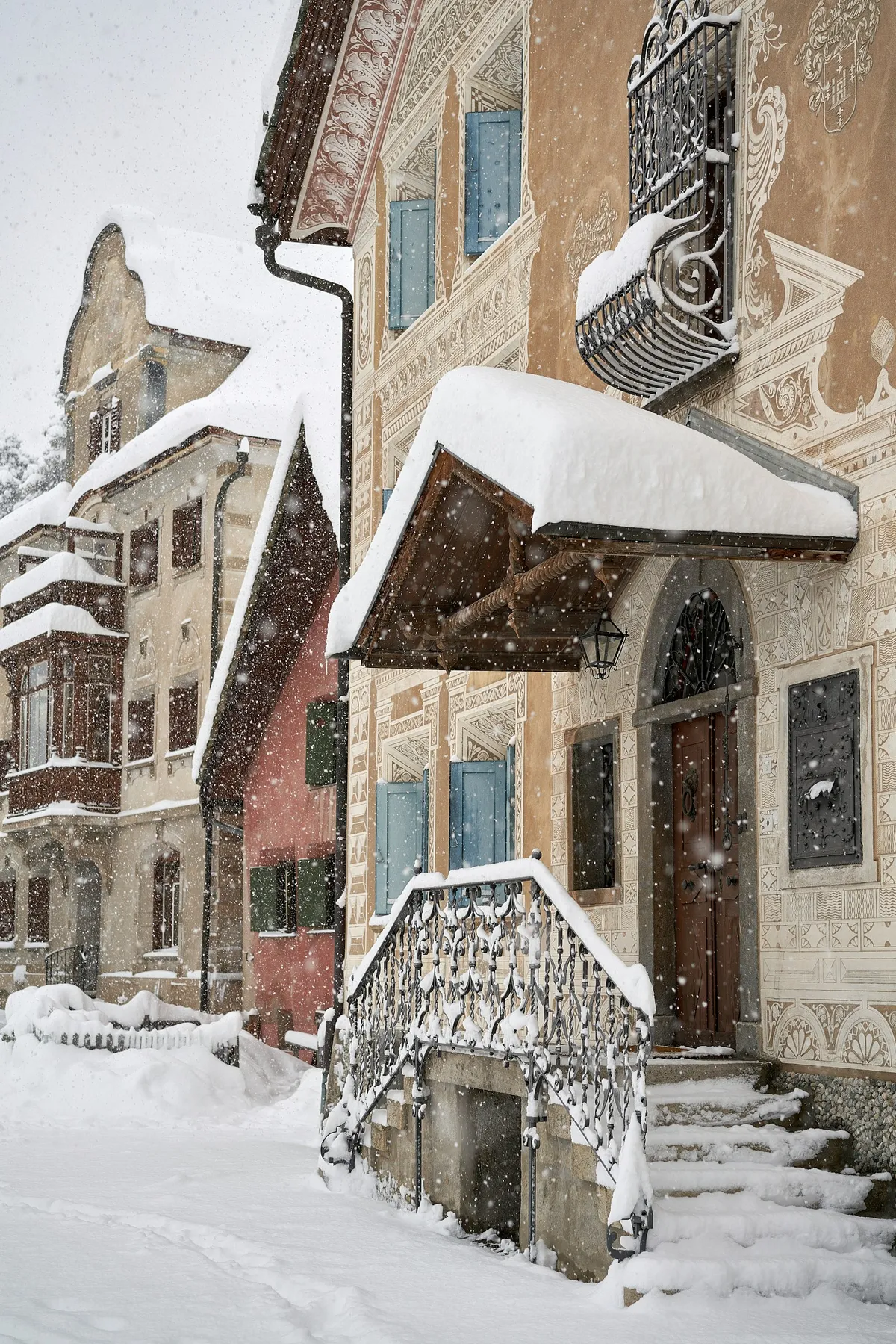
- Sgraffito decorations on Engadine houses
- Experience
- Village centres of Bever, Zuoz, Guarda, Scuol
A language of its own in the heart of the Alps
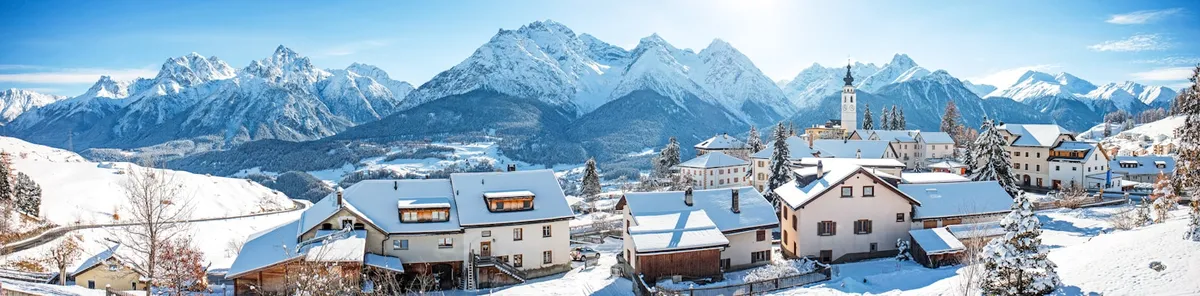
Those who travel to the Engadine encounter something special: here Romansh is spoken, the fourth national language of Switzerland. In the Upper Engadine this is the Puter idiom. The language is everywhere – in place names, on houses, in greetings. Understanding a little of it opens the door to the soul of the valley and makes the trip more personal.
“Allegra” – the greeting of the Engadine
Probably the most important word for travellers is “Allegra”, the Romansh greeting that means something like “be welcome” or “rejoice”. Anyone who greets with “Allegra” earns a smile and a touch of closeness. “Bun di” means good day, “buna saira” good evening, “grazcha fich” thank you very much, and “a revair” goodbye. Even these few words are received with joy in the valley.
A language with a long history
Romansh goes back to the Latin of the Romans, which held on as a language of its own in the secluded Alpine valleys over the centuries. Today it is a minority language, but one that is actively cultivated in the Engadine – in schools, media, church and everyday life. There are several idioms; in the Upper Engadine people speak Puter, in the Lower Engadine Vallader. The Romansh literature and poetry of the Engadine is rich and distinctive and has produced notable poets.
Sgraffito and Engadine house culture
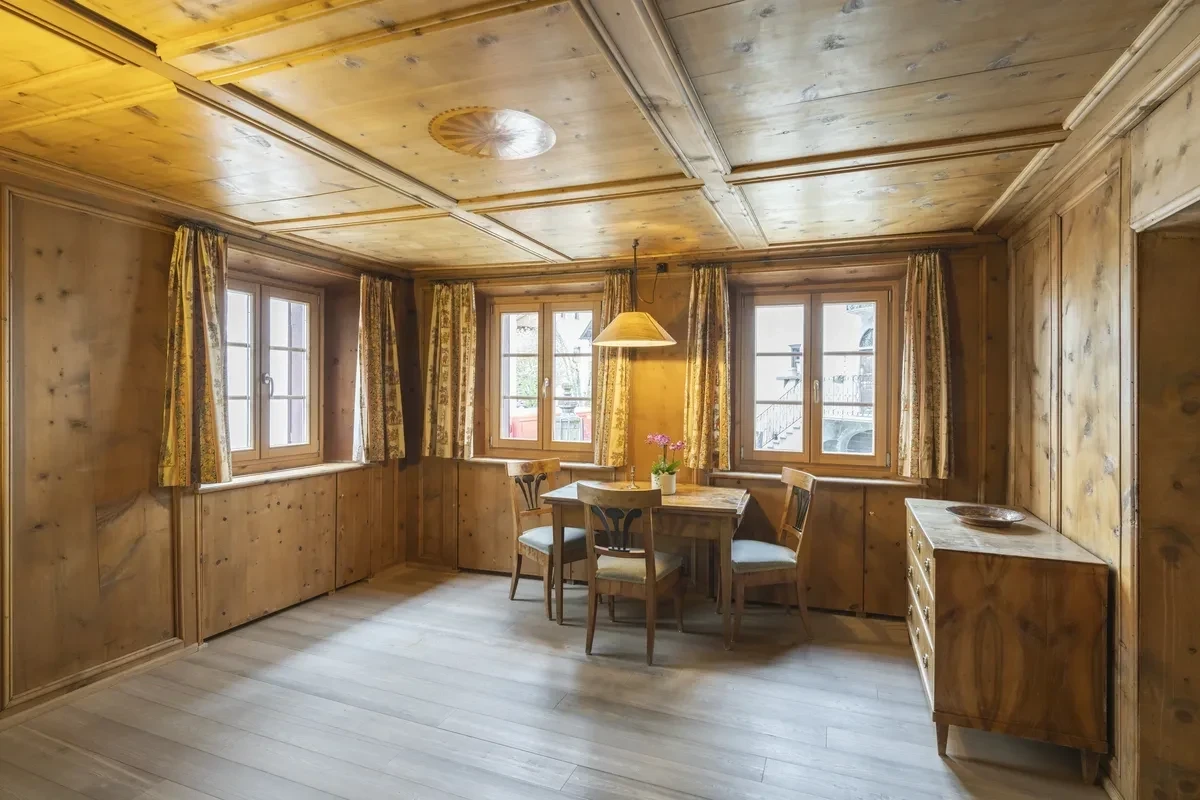
Inseparable from the culture is the typical Engadine architecture: thick walls, deep window reveals and the artful sgraffito decorations, in which a light layer of lime is applied over a darker base and scratched away again. Romansh sayings and words of wisdom often adorn the house façades. Bever too shows this characteristic style of building – a walk through the village thus becomes a little reading lesson in stone.
Customs and festivals
Romansh culture also lives on in customs. Well known is the Chalandamarz at the beginning of March, a spring custom in which children drive out winter with bells and whips – thanks to the children’s book “A Bell for Ursli”, known far beyond the region. Such occasions offer a lively insight into the soul of the valley.
Experiencing culture
Those who want to delve deeper visit the Museum Engiadinais in St. Moritz, listen to Romansh music or simply pay attention to the place names along the way – each one tells a story. A few Romansh words in your luggage make the trip more personal and the encounters warmer. Discover the Engadine from Bever
More inspiration in the Journal – or view the holiday apartments and check availability.